
Balochistan’s Governance Shift: From Reforms to Results
By Shahid Rind
Balochistan’s development story has often been shaped by the scale of its challenges. Vast distances, scattered populations, limited infrastructure and institutional capacity have made effective governance a complex task. Yet, in recent years, the focus of the provincial government has increasingly shifted towards strengthening institutions, improving public service delivery and ensuring that development translates into visible results for ordinary citizens.
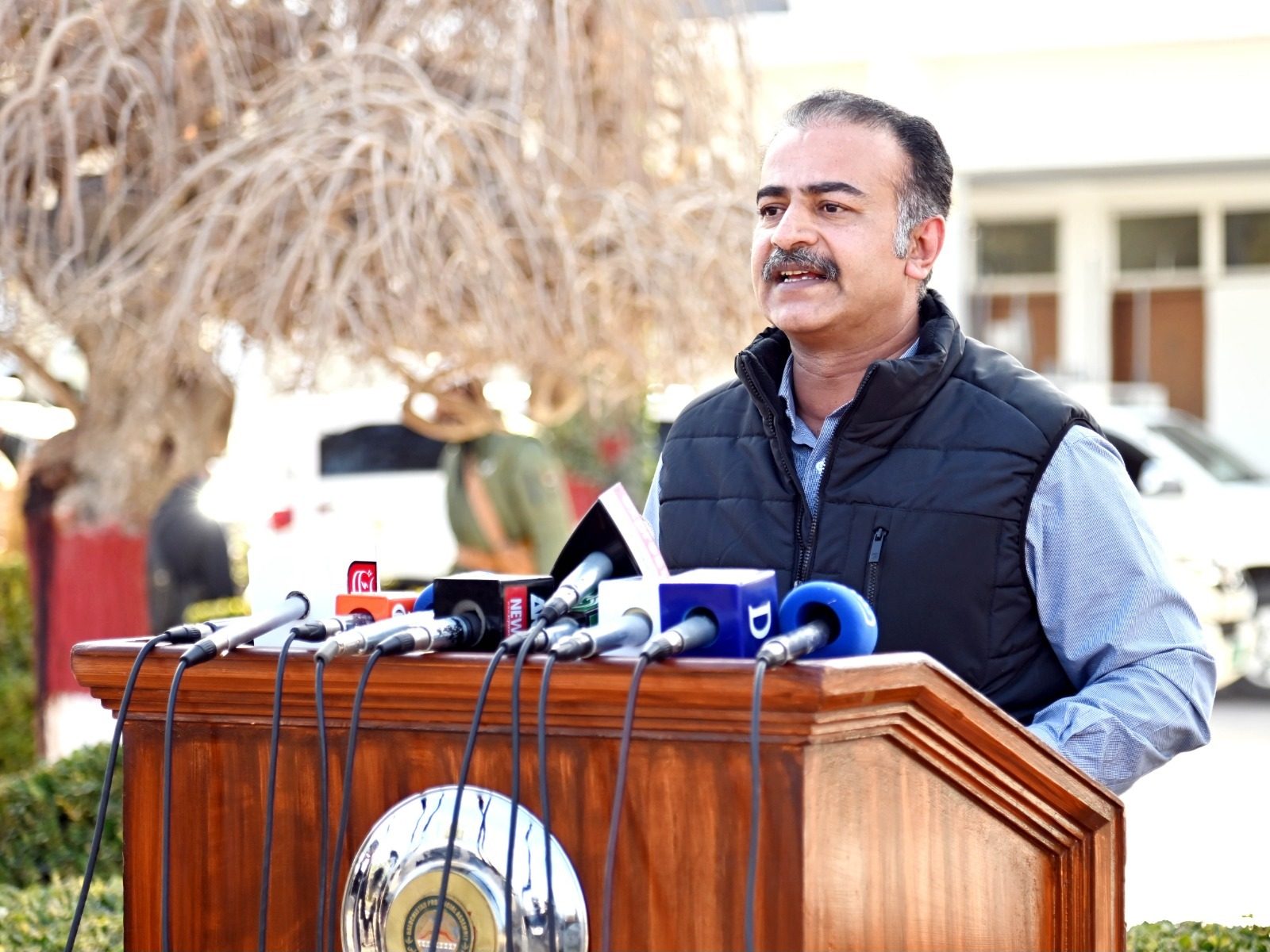
Under the leadership of Chief Minister Mir Sarfraz Bugti, governance reforms are being pursued with an emphasis on performance, accountability and service delivery. The emerging approach seeks to move beyond conventional administrative practices by introducing greater use of technology, improving institutional coordination and making government departments more responsive to public needs.
One of the most visible aspects of this approach is the growing emphasis on digital governance. The introduction of digital initiatives in public institutions, including the use of technology in policing and citizen services, reflects an understanding that modern administration cannot remain dependent on outdated procedures. Digital systems can improve transparency, reduce delays and provide citizens with easier access to government services.
The government’s focus on human development is equally important. Balochistan has one of the country’s youngest populations, making education, skills and employment central to the province’s future. Investments in scholarships, technical and vocational training and youth-oriented programmes are therefore not simply social interventions. They are investments in the province’s economic potential.
The same thinking is evident in initiatives aimed at expanding opportunities for women. Economic empowerment programmes, entrepreneurship training and support for women entering the workforce can help families improve their incomes while gradually expanding women’s participation in the provincial economy. Such programmes are most effective when training is linked with practical opportunities, financing and sustainable livelihoods.
Development spending is another area where the quality of governance matters as much as the size of the budget. Completing projects on time, improving utilisation of development funds and ensuring that schemes respond to genuine public needs are essential for restoring public confidence. A road, school, hospital, water supply scheme or public facility becomes meaningful only when it delivers a tangible benefit to the community.
Balochistan also needs a governance model that connects its natural and economic resources with local development. The province possesses enormous mineral, coastal and agricultural potential, but translating these assets into broad-based prosperity requires transparent policies, institutional capacity and greater opportunities for local communities.
The larger challenge is to ensure that reforms survive beyond individual initiatives and become part of the permanent culture of government. Administrative improvements must be institutionalised, performance must be measured consistently and public institutions must continue to evolve with changing needs.
Balochistan’s transformation will not happen overnight. Its challenges are too deep and geographically diverse for quick solutions. But a sustained focus on institutional reform, digitalisation, human capital, economic opportunity and accountable administration can gradually change the way government works.
The real measure of governance is ultimately not the number of announcements made, but the difference citizens experience in their daily lives. If reforms continue to be translated into functioning institutions, better services and greater economic opportunities, Balochistan can move steadily from a narrative of challenges towards one defined by capability, opportunity and results.