
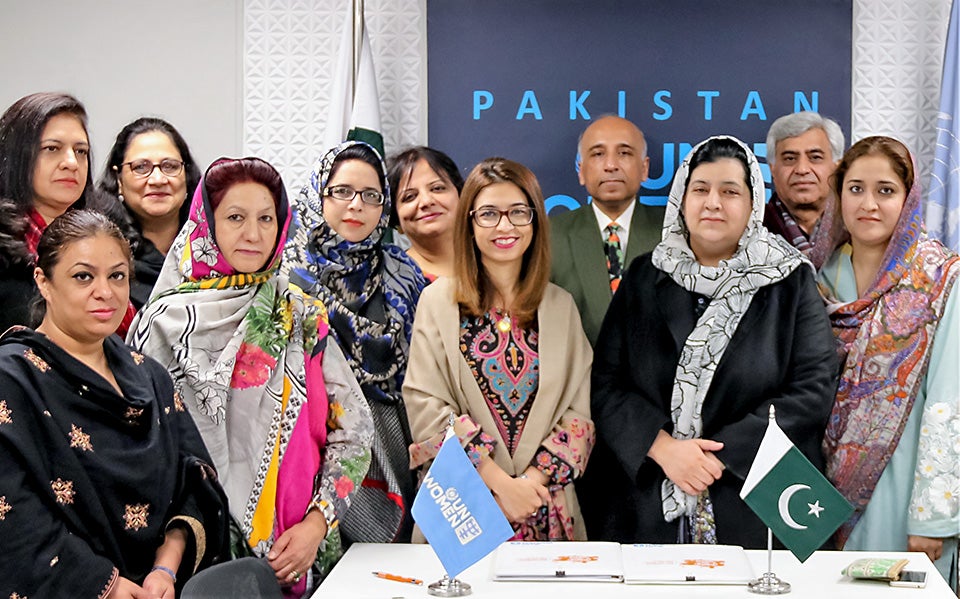
Women’s Economic Empowerment and Development in Balochistan
By Rakhshanda Saba
The economic empowerment of women is increasingly recognized as an essential component of sustainable development. In Balochistan, where communities face unique geographical, economic and social challenges, creating opportunities for women to participate meaningfully in economic activities can contribute significantly to household incomes, community development and the broader provincial economy.
Women in Balochistan possess considerable potential in areas such as handicrafts, agriculture, livestock, small-scale enterprises, education, healthcare, digital services and entrepreneurship. However, many women, particularly those living in remote and rural areas, continue to face limited access to markets, finance, skills training, technology and formal employment opportunities. Addressing these barriers is essential for transforming their potential into sustainable economic participation.
Economic independence does not simply mean earning an income. It also involves giving women the skills, resources, confidence and opportunities required to make informed economic decisions. When women have access to decent employment or are able to establish and manage small businesses, the benefits often extend beyond the individual to the entire household.
Investment in skills development is therefore one of the most effective ways to strengthen women’s economic participation. Training programmes tailored to local needs can help women develop marketable skills and turn traditional abilities into viable sources of income. Handicrafts, embroidery, tailoring, food processing and other home-based activities can be connected with modern markets through digital platforms, better packaging, branding and e-commerce.
Access to finance is another critical factor. Many aspiring women entrepreneurs have viable ideas but lack the capital required to start or expand their businesses. Affordable financing, business guidance and financial literacy can help bridge this gap. Special attention is also needed to ensure that women in less-developed districts are not excluded from economic opportunities because of their geographical location.
Digital technology offers another promising avenue. Online marketplaces, digital banking, remote learning and social media can enable women to reach customers and acquire knowledge without having to travel long distances. Expanding digital literacy and access to reliable connectivity can therefore open new economic possibilities for women across the province.
Women’s participation in the workforce also has broader implications for Balochistan’s development. A larger and more skilled workforce can contribute to productivity, household resilience and local economic growth. Women entrepreneurs can create employment for others, while women working in education, healthcare, technology and other sectors can strengthen essential public and private services.
For meaningful and lasting progress, economic empowerment initiatives should be supported by safe workplaces, equal opportunities, access to markets, entrepreneurship support and policies that recognize the practical realities faced by women. Coordination among government institutions, private businesses, educational organizations and development partners can help create an environment in which women can participate more effectively in economic life.
The economic empowerment of women should not be viewed merely as a welfare initiative. It is an investment in human capital and in the future of Balochistan. Every woman who acquires a skill, starts a business, enters the workforce or gains access to a new market adds to the productive capacity of the province.
Balochistan’s development will be more inclusive and sustainable when women are able to participate fully in its economic progress. Providing them with opportunities, resources and a supportive environment can help transform individual potential into collective prosperity and contribute to a stronger, more resilient provincial economy.