
Editorial
Security, Public Safety and the Road to Peace in Balochistan
The successful security operation near Qalat, in which five militants were killed and 23 hostages were safely recovered, highlights the continuing importance of effective security measures in protecting citizens and maintaining stability in Balochistan. According to the information released by the Inter-Services Public Relations, the operation was conducted after security forces received information about the presence of militants along the N-25 highway. The safe recovery of the hostages is particularly significant because it places the protection of human life at the centre of the security response.
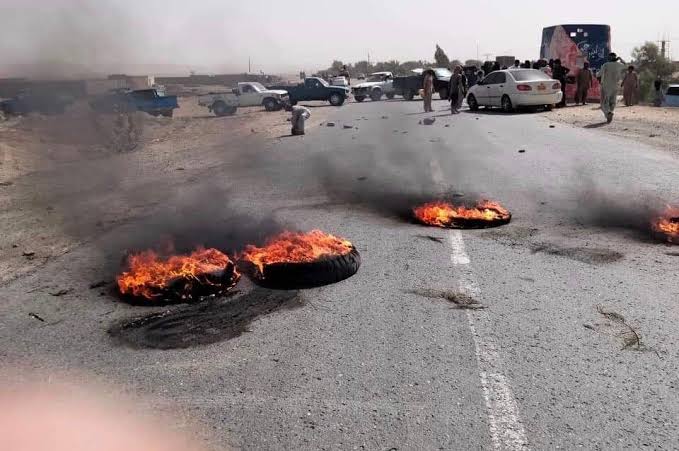
Balochistan’s geographical realities make the task of maintaining security exceptionally demanding. The province covers a vast area, with communities spread across remote and difficult-to-access locations. Major highways therefore have importance far beyond transportation. Routes such as the N-25 connect districts, facilitate trade and provide essential links for people travelling for employment, education, healthcare and other necessities. Any disruption or security threat on these routes can have immediate consequences for ordinary citizens as well as economic activity.
The Qalat operation also underlines the importance of timely intelligence and coordinated action. In an environment where security threats can emerge in remote areas, information sharing, surveillance and rapid response are essential. Effective counterterrorism operations require not only operational capability but also accurate intelligence and coordination among the institutions responsible for public safety. The safe recovery of 23 people demonstrates the humanitarian dimension of such efforts and reminds us that the ultimate purpose of security measures is the protection of citizens.
For the families of those recovered, the operation carries a significance that cannot be measured merely in numbers. Every person rescued represents a family reunited and a period of uncertainty brought to an end. Such outcomes can also strengthen public confidence in institutions responsible for protecting lives and maintaining order. At the same time, security incidents affecting highways and public spaces can create fear among communities and discourage movement and economic activity. Ensuring safe travel is therefore an important component of broader stability.
However, lasting peace in Balochistan cannot be achieved through security operations alone. Security measures are necessary in response to armed violence, but durable stability also depends on effective governance, economic opportunity, quality public services, education and meaningful engagement with communities. When citizens have access to institutions that can address their legitimate concerns, the space for violent groups to exploit grievances can be reduced.
Community cooperation is another essential element. Citizens are often the first to notice unusual activity in their surroundings. Responsible reporting through appropriate channels can help law-enforcement agencies identify threats before they escalate. Public awareness and cooperation should therefore complement the work of security personnel rather than remain separate from it.
The Qalat operation demonstrates that protecting citizens requires vigilance, intelligence, coordination and timely action. The safe recovery of 23 hostages is an important humanitarian outcome, while the broader challenge remains to ensure that major roads, communities and public spaces remain secure. Balochistan needs an approach in which security and development reinforce each other. A secure environment encourages economic activity, enables public services to reach communities and allows citizens to live and travel with greater confidence. The long-term objective should therefore be a stable Balochistan where security institutions, civilian administration and communities work together to protect lives, uphold public safety and create the conditions necessary for sustainable peace and development.