
Editorial
Security Institutions and the Restoration of Peace in Balochistan
Balochistan’s peace and stability are essential to the security, economic progress and future prosperity of Pakistan. The province’s strategic location, extensive natural resources, coastline and emerging economic projects make a secure environment particularly important. In this challenging landscape, Pakistan’s security institutions and law-enforcement agencies have a central responsibility in protecting citizens, maintaining public order and creating conditions in which development can continue.
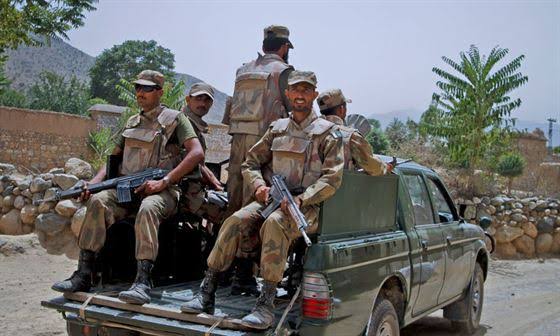
The security challenge in Balochistan is complex, involving terrorism, attacks on civilians and security personnel, disruption of communication and transport infrastructure, and attempts to undermine public confidence in state institutions. In response, the armed forces, intelligence agencies, police, Frontier Corps and other law-enforcement institutions have continued counterterrorism and intelligence-based operations. The federal government has publicly reaffirmed its support for these efforts and emphasized the need for close coordination with the provincial government.
The effectiveness of any security strategy depends significantly on timely intelligence, institutional coordination and professional law enforcement. Intelligence-based operations can help security agencies identify threats before they develop into larger attacks, while coordinated action between civilian and security institutions can strengthen the protection of communities, highways, public facilities and strategic installations.
The sacrifices made by security personnel in the line of duty also underline the human cost of maintaining peace. Across Pakistan, and particularly in challenging security environments, personnel of the armed forces and law-enforcement agencies have faced serious risks while performing their duties. The federal government has repeatedly acknowledged these sacrifices and expressed support for the families of those who have lost their lives in the fight against terrorism.
However, lasting peace cannot be measured only by the reduction of violent incidents. Security provides the foundation upon which education, healthcare, investment, employment, trade and infrastructure can expand. Official policy statements have repeatedly linked stability in Balochistan with socioeconomic development and improved opportunities for its people. Recent federal infrastructure initiatives, including major investment in road connectivity, demonstrate how security and development are interconnected.
A stable Balochistan is particularly important for the province’s economic future. Gwadar, mineral resources, energy projects, agriculture, tourism and regional trade all require an environment in which citizens, investors and businesses can operate safely. Development projects can generate employment and strengthen communities, while improved economic opportunities can contribute to greater social stability.
At the same time, maintaining public confidence requires that security measures operate within the framework of law and institutional accountability. Effective policing, access to justice, protection of citizens and respect for fundamental rights are important components of durable peace. The government’s recently stated approach to peacebuilding also emphasizes justice, social harmony, protection of vulnerable groups and institutional responses alongside security measures.
The role of communities is equally important. Tribal elders, religious leaders, civil society, educators and the media can contribute by rejecting violence, discouraging support for militant networks and promoting dialogue and social cohesion. Counterterrorism efforts are more sustainable when communities remain connected with legitimate state institutions and cooperate with law-enforcement agencies.
The restoration of lasting peace in Balochistan is therefore a shared national responsibility. Security institutions have an indispensable role in protecting lives and defending the state against violent threats, while civilian institutions must continue strengthening governance, justice, development and public services.
Peace in Balochistan will ultimately be measured not only by the absence of violence but by the ability of ordinary citizens to live, work, study and invest in their future without fear. A coordinated national effort combining professional security operations, effective governance, development and public participation can help create the stable environment that Balochistan and Pakistan need for sustained progress.