
Editorial
Safe Highways, Strong Economy: Why Balochistan Must Prioritize Transport Security
A secure transportation network is the backbone of economic growth, national integration, and public confidence. In a geographically vast province like Balochistan, where roads connect ports, borders, industrial zones, and remote communities, the transport sector is not merely a commercial activity—it is a strategic pillar of development. The recent meeting between Chief Minister Mir Sarfraz Bugti and representatives of transporters and goods associations reflects an important recognition that economic progress and security are inseparable.
Balochistan occupies a unique position in Pakistan’s economic landscape. It serves as the country’s gateway to regional trade through Gwadar Port and shares borders with Iran and Afghanistan. Every day, thousands of trucks, passenger buses, and commercial vehicles travel across the province carrying food, fuel, construction materials, minerals, and essential commodities. Any disruption to this movement affects not only Balochistan but the national economy as well.
For years, transporters have faced multiple challenges, including deteriorating road infrastructure in certain areas, rising operational costs, security concerns, and delays caused by disruptions on highways. These issues increase transportation expenses, discourage investment, and ultimately raise the prices paid by ordinary consumers. Addressing these concerns is therefore not simply a matter of supporting one sector; it is an investment in economic stability and public welfare.
The significance of the Chief Minister’s engagement with transporters lies in the government’s willingness to listen directly to stakeholders. Effective governance begins with dialogue, and policies become more practical when those most affected by them are consulted. Such interactions help bridge the gap between policymakers and the business community while fostering mutual trust and cooperation.
Among all the concerns raised by transporters, highway security deserves the highest priority. Safe roads are essential for uninterrupted trade, tourism, and public mobility. Transport companies must have confidence that their vehicles, drivers, and cargo can travel without fear of violence or unlawful disruptions. A secure transportation environment also strengthens investor confidence, encouraging businesses to expand operations and create employment opportunities across the province.
The provincial government’s assurance that highway security will continue to be strengthened sends a positive message. However, maintaining law and order requires sustained commitment rather than isolated measures. Continuous coordination among law enforcement agencies, district administrations, and transport associations is necessary to identify emerging challenges and respond swiftly. Technology-driven monitoring, improved emergency response systems, and better communication with transport operators can significantly enhance the safety of road users.
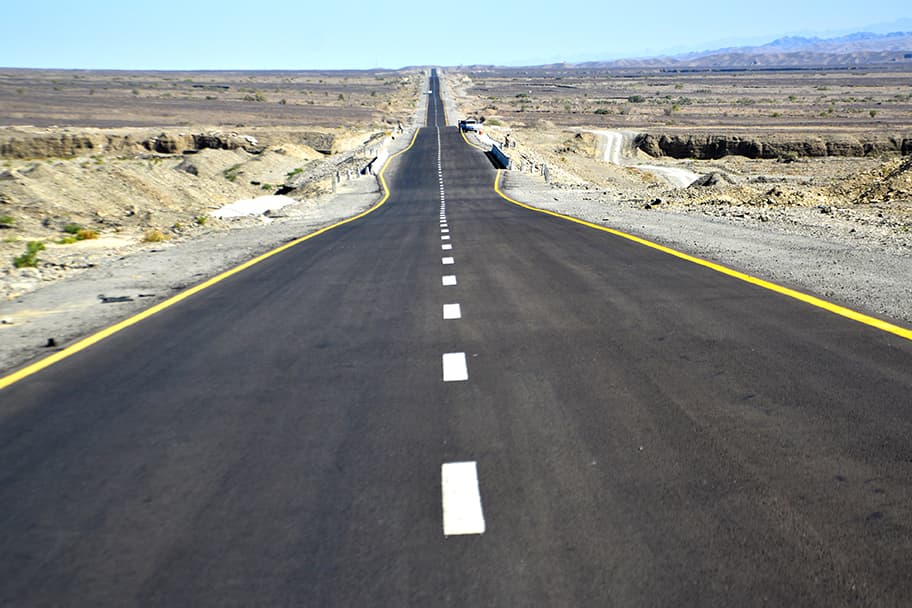
Infrastructure development is equally important. Modern highways, properly maintained roads, efficient weigh stations, rest areas for drivers, and digital traffic management systems contribute to smoother transportation and lower operational costs. Public investment in transport infrastructure not only facilitates trade but also connects remote districts with markets, healthcare facilities, and educational institutions, thereby promoting inclusive development.
The transport sector also supports thousands of families directly and indirectly. Drivers, mechanics, loaders, workshop owners, fuel station operators, hotel businesses along highways, and numerous small enterprises depend on the uninterrupted movement of goods and passengers. Strengthening this sector therefore creates a multiplier effect across the provincial economy, generating employment and improving livelihoods.
Balochistan’s immense mineral wealth and strategic location present unprecedented economic opportunities. As mining, agriculture, and industrial projects expand, demand for efficient logistics will continue to grow. Without a reliable transport network, even the most promising investment initiatives cannot achieve their full potential. Safe highways and efficient freight movement are essential prerequisites for transforming natural resources into sustainable prosperity.
The role of transporters themselves is equally significant. They must comply with traffic regulations, vehicle fitness standards, and safety protocols while cooperating with law enforcement agencies. Responsible transport practices reduce accidents, protect human lives, and improve the overall efficiency of the logistics system. Government and transport associations should work together to promote driver training, road safety awareness, and professional standards throughout the industry.
Ultimately, the prosperity of Balochistan depends not only on its natural resources but also on its ability to move people and goods safely and efficiently. Economic development cannot flourish where transport remains uncertain, nor can security be sustained without economic opportunity. The recent dialogue between the provincial leadership and transport representatives demonstrates a constructive approach that deserves continuity.
If this spirit of consultation is matched by practical reforms, sustained investment, and effective security measures, Balochistan can transform its transportation network into a catalyst for regional connectivity, commercial expansion, and long-term prosperity. Safe highways are far more than roads—they are pathways to economic resilience, social stability, and a brighter future for the people of Balochistan.