
Editorial
Quetta: The Face of Balochistan and a Reflection of Its Future
Quetta is more than the capital of Balochistan. It is the administrative, cultural and social gateway to the province and, for many visitors, the first impression of Balochistan. The condition of its roads, public spaces, parks, sanitation systems and other civic facilities therefore carries significance far beyond the boundaries of the city. The development and beautification of Quetta should be viewed not merely as an urban requirement but as an investment in the province’s identity and future.
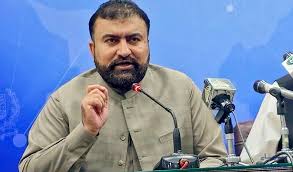
Chief Minister Balochistan Mir Sarfraz Bugti has rightly emphasized that Quetta is the face of Balochistan and that improving the provincial capital is an important responsibility of the government. His remarks came during a review meeting on the progress of the Quetta Development Package, where he stressed the need for timely completion of ongoing projects while maintaining quality standards.
A capital city reflects the priorities and capacity of its administration. When roads are properly maintained, green spaces are developed, drainage systems function efficiently and public areas are clean and accessible, citizens experience the benefits directly. At the same time, visitors form an impression of the wider province through what they see in its capital. Quetta should therefore present an image that reflects Balochistan’s rich culture, natural beauty, hospitality and aspirations for development.
Urban development, however, should not be limited to cosmetic improvements. Beautification has value when it is linked with functional infrastructure and sustainable civic services. Roads, drainage, parks, green belts and public facilities need to be planned and maintained as interconnected components of a modern urban environment. Development projects should address the everyday needs of residents while also preparing the city for future population growth and changing urban demands.
The emphasis on the timely completion of projects under the Quetta Development Package is equally important. Public development projects involve taxpayers’ resources and are intended to deliver tangible benefits to citizens. Delays can increase costs, disrupt daily life and postpone the delivery of essential services. Equally important is the quality of construction. A project completed quickly but without durable standards cannot serve the public interest in the long run. Effective monitoring, transparent implementation and professional oversight are therefore essential.
Quetta’s development also requires a broader understanding of what makes a city livable. Reliable drainage can reduce the impact of heavy rainfall, well-maintained roads can improve mobility, green belts can enhance the urban environment, and properly designed parks can provide citizens with much-needed recreational spaces. Such improvements contribute not only to the appearance of the city but also to public convenience and quality of life.
There is also a symbolic dimension to Quetta’s transformation. Balochistan has immense cultural diversity and a distinctive heritage. A well-planned and well-maintained capital can provide a suitable platform for presenting this identity to visitors from across Pakistan and abroad. The city can become a reflection of the province’s confidence, hospitality and commitment to progress.
The development of Quetta should therefore be treated as a continuous process rather than a collection of isolated projects. Sustained investment, effective maintenance, realistic urban planning and strong institutional coordination are necessary to ensure that improvements remain visible and functional over time.
If Quetta is indeed the face of Balochistan, then improving its infrastructure and civic environment is ultimately an investment in the province itself. A cleaner, greener, better-connected and more efficiently managed capital can improve everyday life for its residents while presenting a more accurate picture of Balochistan’s potential to the wider world.