
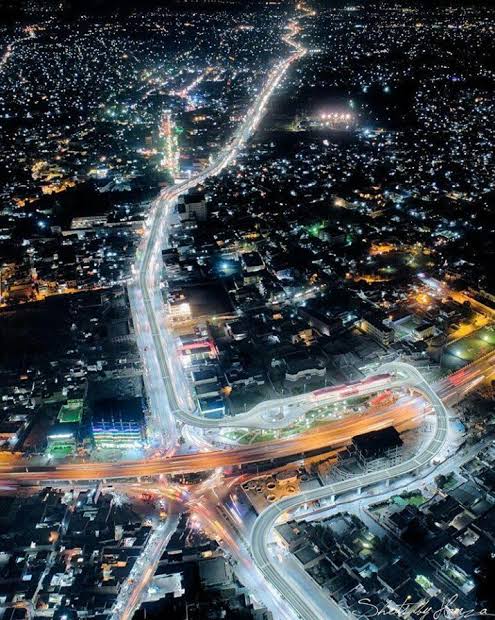
Quetta: Restoring the Face and Identity of Balochistan
By Sheikh AbdulRazaq
Quetta is more than just the capital of Balochistan. It is the province’s face, its administrative centre and a city whose historical, cultural and architectural identity is deeply connected with the collective image of Balochistan. Recognising this significance, the provincial government has renewed its commitment to transforming Quetta into a modern, organised, clean and beautiful provincial capital while preserving its historic character.
“Quetta is the face of the province, and the development and beauty of the city are intrinsically linked with the identity of the entire Balochistan,” Chief Minister Balochistan Mir Sarfraz Bugti said while presiding over an important meeting on the Quetta Development Package on September 8, 2026.
The meeting reviewed progress on ongoing development initiatives aimed at improving the city’s infrastructure, civic amenities and overall urban environment. Officials informed the Chief Minister that 12 projects under the Quetta Development Package had already been completed, while work on seven projects was in progress. Five additional projects have also been proposed to further strengthen the city’s development framework.
The figures are significant, but the real test lies in ensuring that these projects translate into visible and sustainable improvements in the daily lives of Quetta’s residents. Roads, public spaces, infrastructure, civic facilities and urban beautification are not merely development indicators; they directly influence the quality of life of citizens and shape their perception of governance.
Chief Minister Bugti directed the authorities to accelerate work on ongoing projects and ensure their timely completion. He also called for immediate action on the newly proposed schemes, stressing that unnecessary delays in development work would not be tolerated. Importantly, he emphasised that quality, speed and transparency must remain the defining principles of the Quetta Development Package.
The Chief Minister’s vision goes beyond conventional infrastructure development. He has called for a comprehensive strategy to restore Quetta’s past beauty and revive the historical identity that once distinguished the city. For decades, Quetta was recognised for its unique landscape, orderly urban character and distinctive cultural identity. Preserving and restoring these qualities while accommodating the requirements of a growing population presents both a challenge and an opportunity for the provincial government.
Improved civic amenities, modern infrastructure and well-planned urban development can play a critical role in addressing the city’s evolving needs. At the same time, beautification and restoration efforts can help reconnect present-day Quetta with its historical and cultural heritage.
The government’s approach therefore seeks to strike a balance between modernisation and preservation. The objective is not simply to build new infrastructure but to create a better urban environment in which citizens can access essential services, move more efficiently and enjoy cleaner and more organised public spaces.
The commitment expressed by Mir Sarfraz Bugti also reflects a broader recognition that Quetta’s development has implications far beyond the city itself. As the provincial capital, Quetta represents Balochistan to visitors, investors, government officials and citizens from across the province. A modern and well-managed capital can consequently strengthen the province’s overall image and contribute to greater economic and social activity.
The challenge now is to maintain momentum, ensure transparency and deliver projects according to clearly defined standards and timelines. With 12 projects already completed, seven underway and five more proposed, the Quetta Development Package provides an opportunity to give practical shape to the government’s vision.
Ultimately, restoring Quetta’s beauty is not merely an exercise in urban development. It is an investment in the identity, dignity and future of Balochistan. A city that combines modern infrastructure with its historical and cultural character can once again emerge as a capital worthy of the province it represents.