
Editorial
Political Dialogue: The Key to a Stronger and More Prosperous Balochistan
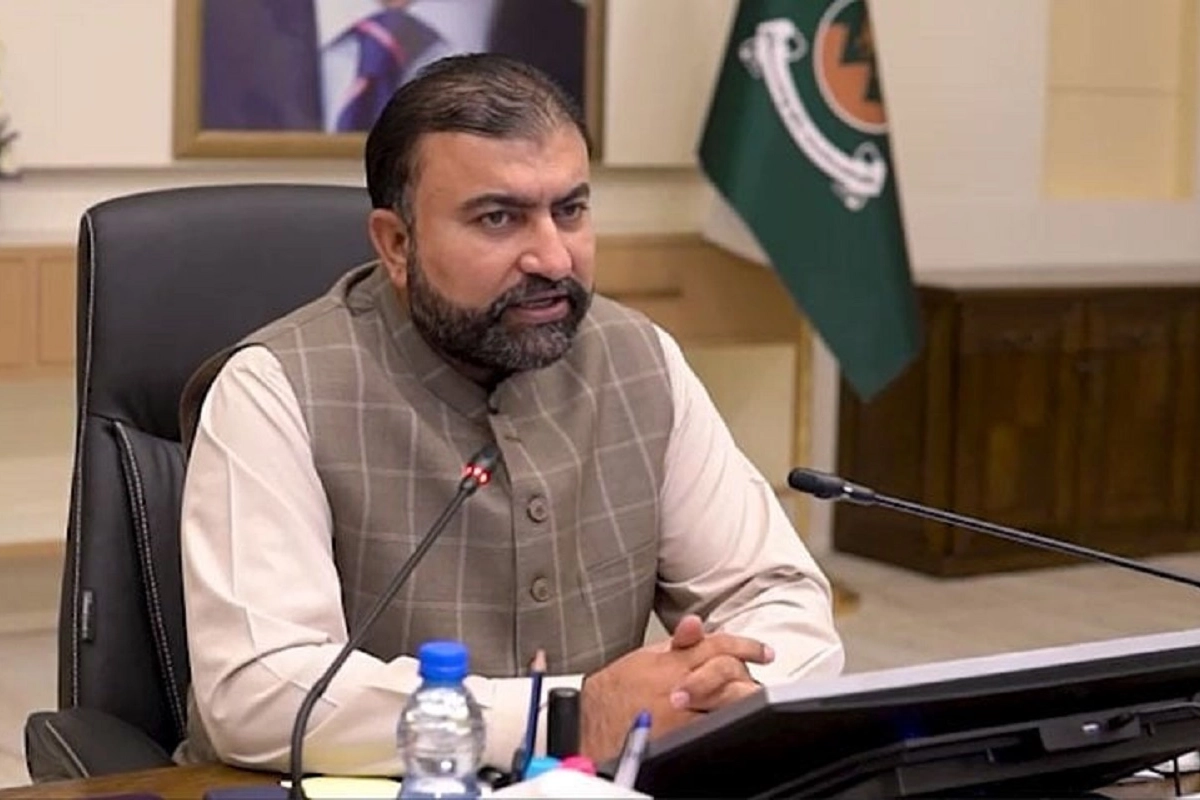
Balochistan’s political landscape has always required a careful balance between democratic dialogue, administrative effectiveness and a shared commitment to public welfare. In this context, the series of separate meetings held by Chief Minister Balochistan Mir Sarfraz Bugti with provincial ministers, members of the Provincial Assembly, parliamentary representatives, leaders of major political parties and other prominent figures carries considerable political and administrative significance.
The meetings brought together representatives from across the political spectrum, including Provincial Ministers Nawabzada Mir Zia Langau, Mir Asim Kurd Gillo and Nawabzada Mir Tariq Magsi; Leader of the Opposition Mir Younas Aziz Zehri; MPAs Mir Zabid Reki, Rehmat Saleh Baloch and Dr Muhammad Nawaz Kabzai; Parliamentary Secretary Mir Abdul Samad Gorgage and Asghar Tareen; Pakistan Peoples Party Balochistan President Sardar Umar Gorgage; Jamiat Ulema-e-Islam Balochistan chief Maulana Abdul Wase; and Honorary Consul of Germany Mir Murad Baloch.
The diversity of participants itself reflects an important democratic principle: governance becomes more effective when political differences are managed through dialogue rather than confrontation. In a province as geographically vast and politically diverse as Balochistan, no single institution or political group can address the province’s challenges in isolation. Sustained engagement among elected representatives is therefore not merely desirable; it is essential.
The discussions reportedly covered the overall political and administrative situation, public issues, development matters, law and order and other subjects of mutual interest. These are precisely the areas where political consultation can translate into practical governance. Public expectations in Balochistan are closely linked with employment opportunities, education, healthcare, infrastructure, connectivity and access to basic services. Addressing these priorities requires political stability as well as institutional coordination.
The Chief Minister’s engagement with members of both the treasury and opposition benches is particularly important. A healthy parliamentary system does not require political parties to agree on every issue. Rather, it requires them to maintain channels of communication even when disagreements persist. The opposition has a constitutional role in holding the government accountable, while the government has a responsibility to listen to legitimate concerns and incorporate constructive suggestions into policymaking.
Such interaction can also help reduce the distance between government institutions and the people they represent. Provincial legislators remain closely connected with their constituencies and are often the first to receive complaints regarding public services, development schemes and administrative difficulties. Their feedback can therefore provide valuable insight into the effectiveness of government policies at the grassroots level.
Balochistan’s development agenda also demands continuity beyond political cycles. Large-scale infrastructure projects, human-resource development, education reforms, healthcare initiatives and economic opportunities cannot produce their full impact overnight. They require sustained political ownership, administrative consistency and institutional cooperation. Political dialogue can provide the consensus necessary to protect important public-interest initiatives from unnecessary disruption.
Another significant aspect of the meetings was the participation of leaders from different political parties. The presence of representatives of the Pakistan Peoples Party and Jamiat Ulema-e-Islam, along with other elected representatives, demonstrates the importance of maintaining an inclusive political environment. For a province facing complex socioeconomic and security challenges, broad-based political engagement can strengthen public confidence in democratic institutions.
Balochistan also possesses enormous economic potential, particularly in minerals, energy, agriculture, fisheries, tourism and its strategic location along the Arabian Sea. Unlocking this potential requires not only investment but also political stability, effective governance and investor confidence. International engagement, including through diplomatic and consular representatives such as the Honorary Consul of Germany, can contribute to expanding economic and institutional linkages.
Ultimately, the success of governance should be measured not by the number of political meetings held but by the tangible outcomes that follow them. Dialogue must lead to decisions, decisions must lead to implementation, and implementation must ultimately improve the lives of ordinary citizens.
Chief Minister Mir Sarfraz Bugti’s engagement with political leaders and elected representatives provides an opportunity to strengthen this process. If sustained through regular consultation, transparent decision-making and effective follow-up, such political engagement can contribute significantly to a more stable, responsive and development-oriented Balochistan.
The province’s challenges are formidable, but so are its opportunities. A political culture based on dialogue, mutual respect and collective responsibility can help transform those opportunities into lasting progress. For Balochistan, the way forward lies not in political isolation but in cooperation, consensus and a shared commitment to the province’s future.