
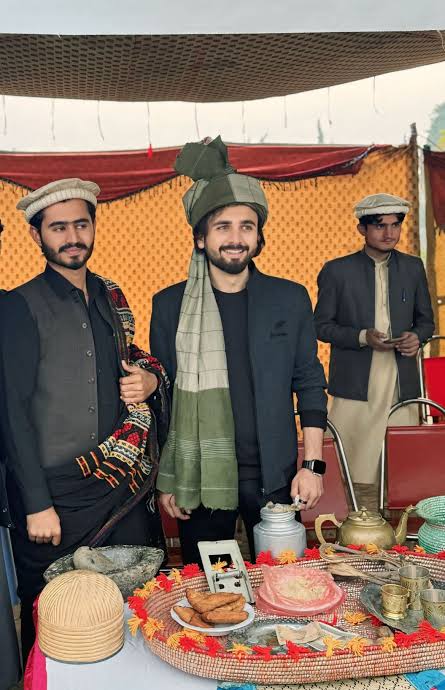
Pashtun Culture Day: Celebrating a Living Heritage
By Rakhshanda Saba
Pashtun Culture Day is an occasion to celebrate a rich cultural heritage that has evolved over centuries and continues to shape the social and cultural identity of millions of people. More than a celebration of traditional dress, music and festivals, the day provides an opportunity to appreciate the values, language, literature, traditions and artistic expressions that form an important part of Pashtun heritage.
Pashtun culture is deeply rooted in a strong sense of community, hospitality and respect for elders. Traditional values such as melmastia (hospitality), nanawatai (seeking refuge or forgiveness) and jirga (community consultation) have historically played an important role in social life. While societies continue to change with time, many of these traditions remain relevant as expressions of social responsibility, mutual respect and community cohesion.
Language is at the heart of every culture, and Pashto remains one of the strongest pillars of Pashtun identity. With a rich literary tradition extending across generations, Pashto literature has produced poets, writers and intellectuals whose works have addressed themes ranging from love and spirituality to social justice, human dignity and peace. Preserving and promoting the language is therefore essential to safeguarding the cultural memory of future generations.
The traditional Pashtun shalwar kameez, turban, Pattū and other forms of regional attire are also important expressions of cultural identity. Likewise, traditional music, attan and other forms of folk performance provide a vibrant representation of the community’s history and collective spirit. These artistic traditions are not merely symbols of the past; they continue to evolve and find space in contemporary cultural life.
Pashtun cuisine is another significant element of the region’s cultural heritage. Traditional dishes prepared for families, guests and community gatherings reflect the importance attached to hospitality and social interaction. Food, music and gatherings often serve as bridges between generations, allowing cultural traditions to be shared in an informal and meaningful manner.
In contemporary times, preserving culture requires more than remembering traditional practices. It requires creating opportunities for younger generations to understand, study and express their heritage in ways that are relevant to their lives. Educational institutions, cultural organizations, writers, artists and digital platforms can all contribute to documenting and promoting Pashtun history, language, literature, music and crafts.
At the same time, cultural identity should not be viewed as something isolated from the wider society. Pashtun culture has always interacted with neighbouring communities and broader regional traditions. Its celebration can therefore contribute to greater understanding, cultural dialogue and social harmony.
Pashtun Culture Day also offers an opportunity to recognize the contributions of Pashtun communities to literature, education, public service, arts, sports, business and other fields. Celebrating these contributions can encourage young people to take pride in their heritage while pursuing education, innovation and new opportunities.
The true strength of a culture lies in its ability to preserve its core values while adapting to changing circumstances. Pashtun Culture Day should therefore be seen not only as a celebration of history but also as a reminder of the responsibility to protect linguistic and cultural heritage for future generations.
By promoting Pashto language, supporting literature and the arts, documenting traditions and encouraging younger generations to engage with their heritage, society can ensure that Pashtun culture remains a living and evolving tradition. Culture connects generations, strengthens communities and provides people with a sense of belonging. Pashtun Culture Day is a celebration of that enduring connection between the past, the present and the future.