
Pakistan’s New Trade Policy: From Procedural Barriers to Economic Opportunity
By Sheikh AbdulRazaq
Pakistan’s economic future is closely linked with its ability to expand international trade, increase exports and reduce the cost of doing business. For decades, however, traders and exporters have faced a range of procedural, logistical and regulatory obstacles that have limited the country’s competitiveness. The government’s latest decision to establish a Trade Facilitation Board represents an important step towards addressing these structural challenges and creating a more efficient trading environment.
The proposed Trade Facilitation Board, to be chaired by Prime Minister Shehbaz Sharif, is expected to focus on improving the entire trade supply chain and resolving non-tariff barriers affecting cross-border commerce. It will also formulate a roadmap for trade promotion, develop a Trade Facilitation Index and establish mechanisms to monitor progress.
This approach is important because modern trade is no longer determined simply by tariff rates. The speed of customs clearance, efficiency of ports, quality of transport infrastructure, digital documentation and predictability of regulations are equally important. A shipment delayed for days at a port can impose costs that ultimately make Pakistani products less competitive in international markets.
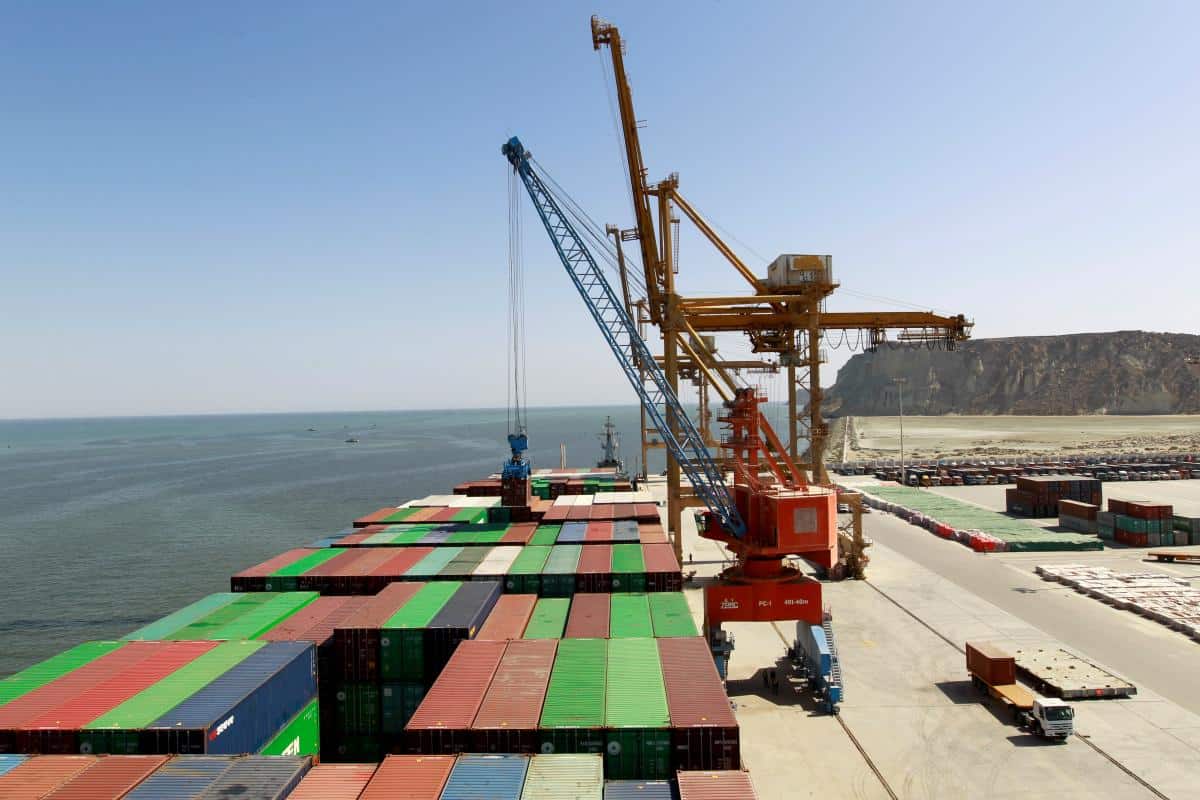
Pakistan’s ports therefore deserve particular attention. The government has directed that measures to enhance port capacity and operational efficiency be undertaken on an emergency basis. Proposed working groups are expected to examine port capacity, inter-departmental coordination, regulatory compliance and pre-arrival clearance procedures. The objective should be simple: goods entering or leaving Pakistan must move faster, more transparently and at lower cost.
Digitalisation can play a transformative role in this process. Pakistan has already developed the Pakistan Single Window, which provides an integrated electronic platform for cross-border trade and aims to reduce the number of separate procedures faced by businesses. Expanding and effectively implementing such digital systems can reduce paperwork, improve transparency and minimise opportunities for unnecessary delays.
Small and medium-sized enterprises must also be placed at the centre of Pakistan’s trade strategy. Large companies generally have greater resources to navigate complex regulations and international markets, while smaller businesses often struggle with documentation, certification, financing and market access. Facilitating SME participation in international trade can broaden Pakistan’s export base and create employment across the country. The government has specifically identified greater SME participation as an objective of the new trade facilitation framework.
A successful trade policy must also move beyond traditional export sectors. Pakistan has considerable potential in information technology, pharmaceuticals, engineering goods, processed food, minerals, agriculture, textiles and other value-added industries. Instead of relying heavily on a limited number of export products, the country needs to diversify both its products and markets.
Regional connectivity offers another major opportunity. Pakistan’s geographical position gives it the potential to serve as a trade and transit gateway between South Asia, Central Asia, China and the Middle East. Efficient ports, modern road and rail networks and transparent transit regimes can transform geography into an economic advantage.
However, policy announcements must ultimately be judged by implementation. Traders need predictable regulations, faster clearances, transparent taxation and effective dispute-resolution mechanisms. The Trade Facilitation Board can become meaningful only if its decisions are translated into measurable improvements at ports, borders and government offices.
Pakistan’s trade policy should therefore be viewed as an economic reform agenda rather than merely a commercial initiative. Lower transaction costs, faster movement of goods and greater access to international markets can stimulate investment, strengthen exports and generate employment.
The establishment of the Trade Facilitation Board is a promising beginning. The real success will come when a Pakistani exporter can send goods abroad with fewer forms, fewer delays and greater certainty. If the government maintains its focus on implementation, digitalisation and institutional coordination, trade facilitation can become one of the strongest pillars of Pakistan’s economic transformation.