
Monsoon Rains, Flood Risks, and Disaster Management in Pakistan: Building Resilience for the Future
By Dr. Rubaba Khan Buledi
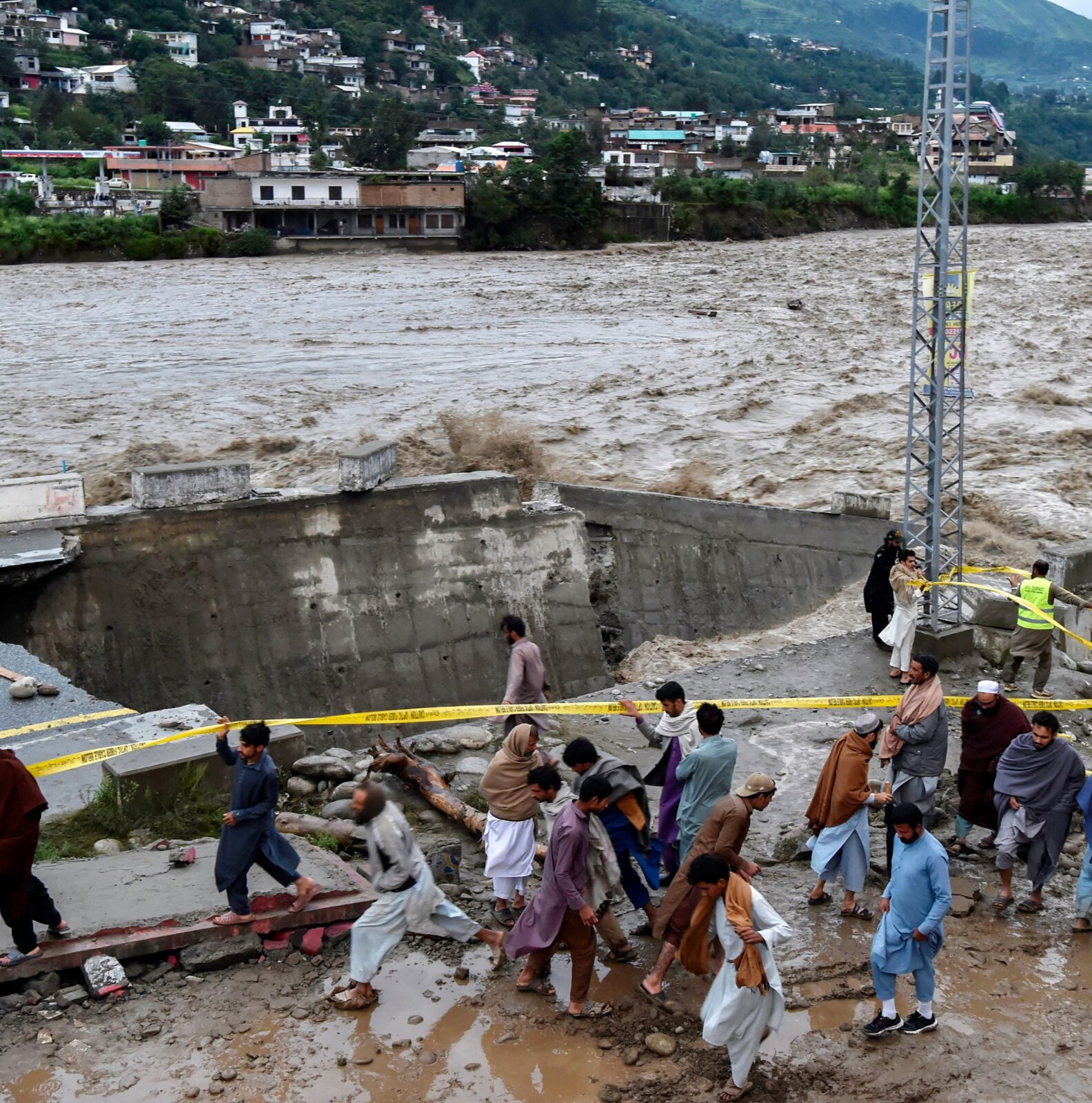
Every year, the arrival of the monsoon season brings both hope and hardship to Pakistan. While seasonal rains are essential for agriculture, water resources, and ecological balance, they also expose the country’s vulnerability to floods, landslides, urban inundation, and infrastructure damage. In recent years, climate change has intensified weather patterns, making rainfall more erratic and extreme. This reality demands a shift from reactive disaster response to proactive disaster risk management based on resilience, preparedness, and sustainable development.
Pakistan ranks among the countries most vulnerable to climate change despite contributing only a small fraction of global greenhouse gas emissions. Rising temperatures, melting glaciers, unpredictable rainfall, and increasingly frequent extreme weather events have created new challenges for national and provincial governments. The devastating floods of recent years demonstrated that natural disasters can rapidly evolve into humanitarian and economic crises if preparedness measures are inadequate.
Monsoon-related disasters affect every segment of society, but vulnerable communities suffer the most. Families living in low-lying areas, poorly constructed settlements, and remote mountainous regions often face the greatest risks. Floodwaters destroy homes, schools, healthcare facilities, roads, bridges, crops, and livestock, disrupting livelihoods and forcing thousands of families into temporary shelters. The economic losses extend far beyond immediate damage, affecting food security, education, public health, and long-term development.
Balochistan presents unique challenges during the monsoon season. Although the province receives less rainfall than many other parts of Pakistan, sudden cloudbursts, flash floods, and seasonal streams can cause widespread destruction due to its rugged terrain and scattered population. Remote districts often experience delays in emergency response because of difficult geographical access. Strengthening disaster preparedness in such areas requires improved infrastructure, reliable communication systems, and effective coordination among provincial authorities, district administrations, rescue services, and local communities.
The importance of early warning systems cannot be overstated. Modern weather forecasting, satellite monitoring, and digital communication technologies have significantly improved the ability to predict heavy rainfall and potential flooding. However, forecasts alone are not enough. Timely dissemination of warnings through television, radio, mobile networks, social media, and community organizations ensures that people receive accurate information and have sufficient time to take precautionary measures. Public awareness campaigns can save lives by educating citizens about evacuation procedures, emergency preparedness, and flood safety.
Urban flooding has emerged as another growing concern. Rapid urbanization, inadequate drainage systems, encroachments on natural waterways, and poor waste management often transform heavy rainfall into severe flooding in major cities. Investing in modern drainage infrastructure, enforcing urban planning regulations, protecting natural water channels, and promoting environmentally responsible development are essential steps toward reducing urban flood risks.
Disaster management extends far beyond emergency relief. It includes preparedness, mitigation, response, recovery, and reconstruction. Governments must invest in resilient infrastructure capable of withstanding extreme weather events. Schools, hospitals, bridges, and public buildings should be designed according to modern safety standards. Likewise, local governments should regularly conduct emergency drills, establish disaster response teams, and maintain adequate stocks of relief supplies before the onset of the monsoon season.
Community participation remains one of the strongest pillars of effective disaster management. Local volunteers, civil society organizations, humanitarian agencies, and community leaders often serve as the first responders during emergencies. Their knowledge of local conditions enables faster evacuation, rescue operations, and distribution of relief assistance. Encouraging community-based disaster preparedness programmes strengthens resilience and reduces dependence on external assistance.
Climate adaptation must also become an integral part of Pakistan’s long-term development planning. Reforestation, watershed management, floodplain protection, sustainable agriculture, and climate-resilient infrastructure can significantly reduce the impact of future disasters. Equally important is strengthening institutional coordination among federal, provincial, and local authorities to ensure that emergency response remains efficient, transparent, and well-organized during times of crisis.
The media also has an important responsibility during natural disasters. Accurate reporting, timely dissemination of official information, and public awareness campaigns help prevent panic while ensuring that citizens remain informed about evolving situations. Responsible journalism can also encourage solidarity by highlighting humanitarian efforts and promoting community support for affected families.
As climate change continues to reshape weather patterns across South Asia, Pakistan must strengthen its capacity to anticipate, prepare for, and respond to natural disasters. Investing in disaster resilience is not merely a response to seasonal emergencies; it is an investment in national security, sustainable development, and human well-being. By combining scientific planning, effective governance, modern infrastructure, and active community participation, Pakistan can significantly reduce disaster risks and protect both lives and livelihoods. A resilient nation is one that prepares before disaster strikes, responds with efficiency when emergencies occur, and rebuilds stronger for the future.