
Editorial
Mass Transit in Balochistan: A Public Welfare Commitment
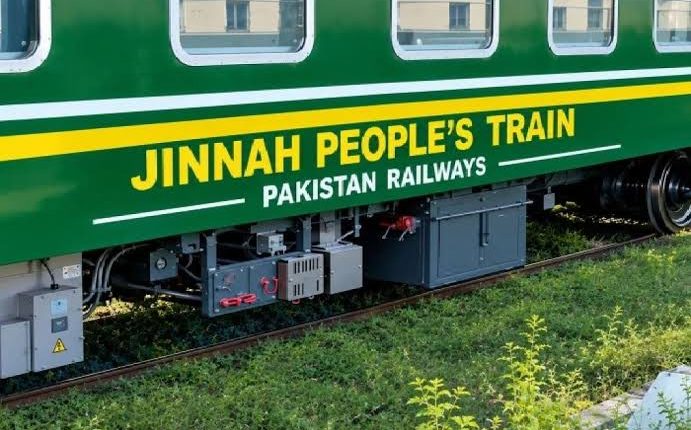
Balochistan’s decision to introduce a mass transit train service marks an important development in the province’s public welfare agenda. The Jinnah Peoples Train, connecting Kuchlak with Sariab through a 32-kilometre upgraded railway track, represents an effort to provide citizens with a safer, more affordable and more organised means of daily transportation.
Public transport is not merely a mobility service. It is closely connected with access to education, employment, healthcare, markets and other essential services. In a province where long distances and limited transport options can create additional challenges for citizens, improving connectivity can have a direct impact on everyday life.
The Jinnah Peoples Train is particularly significant for Quetta and its adjoining areas. The route includes seven stations: Kuchlak, Baleli, Sheikh Manda, GOR, Quetta, Lor Kariz and Sariab. These stations connect populated areas with the provincial capital and can provide a practical alternative for people who travel regularly for work, education, business and other purposes.
The project also demonstrates the value of utilising existing public infrastructure through targeted investment. The 32-kilometre railway track has been upgraded within 120 days, while the project has involved an investment of Rs3 billion. Timely completion is important because the real purpose of a public welfare project is not simply its construction but the delivery of tangible benefits to citizens.
Chief Minister Balochistan Mir Sarfraz Bugti has expressed satisfaction over the completion of the project and announced that the train service will soon be opened for the public. He has described the initiative as a step towards providing modern, safe, comfortable and economical transportation facilities to the people of Quetta and surrounding areas.
The potential benefits are particularly relevant for students and employees who make daily journeys across the city and its outskirts. Affordable public transportation can reduce commuting costs for households and help people manage their time more efficiently. For businesses and workers, improved mobility can also facilitate access to markets and workplaces.
However, the long-term success of a mass transit service depends on more than its inauguration. Regular operations, punctual schedules, reasonable fares, passenger safety, cleanliness and proper maintenance will be essential to building public confidence. A transport service becomes genuinely useful when citizens can rely on it as part of their daily routine.
The project can also contribute to a broader transformation in the way urban mobility is planned in Balochistan. As population and transportation needs grow, dependence on private vehicles and road-based transport alone can place increasing pressure on urban infrastructure. Rail-based public transport can provide another component of a more balanced transportation system.
The Jinnah Peoples Train should therefore be seen as more than an individual infrastructure project. It can provide valuable experience for future public transport initiatives, including possible expansion of routes, improvement of stations and better integration between rail and other modes of transportation.
Public welfare is ultimately measured by the quality of services available to ordinary citizens. A mass transit system that is affordable, dependable and accessible can directly improve the daily lives of thousands of people.
The launch of the Jinnah Peoples Train thus represents a significant step in Balochistan’s public welfare efforts. Its lasting importance will depend on sustained performance and continued attention to passenger needs. If efficiently operated and properly maintained, the service can strengthen urban connectivity and establish a practical foundation for the future development of public transportation in the province.