
From Skills to Economic Independence: Empowering Balochistan’s Women Through Entrepreneurship
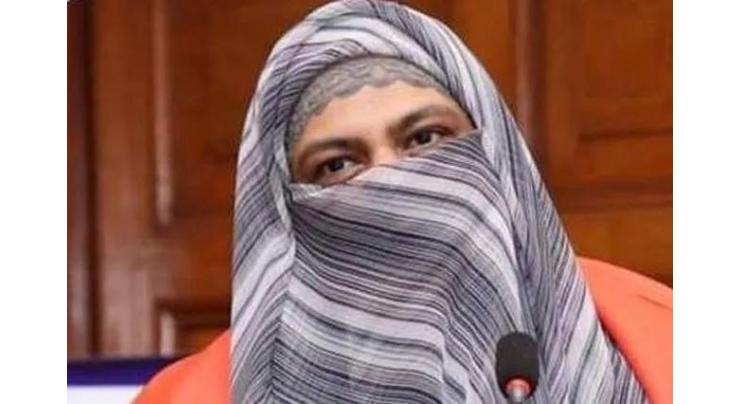
By Dr. Rubaba Khan Buledi
Economic empowerment is no longer simply a matter of providing women with employment opportunities. In a changing economy, it increasingly means enabling women to acquire marketable skills, establish sustainable businesses, generate income and, eventually, create employment for others. This is precisely where entrepreneurship development programmes can make a meaningful difference.
Balochistan has a large pool of talented and capable women whose potential remains underutilised due to limited access to skills training, financial resources, markets and business opportunities. For many women, the challenge is not a lack of ability or ambition; it is the absence of an enabling ecosystem that can turn their abilities into sustainable economic activity.
The Women Entrepreneurship Development Programme is a practical intervention in this direction. Under the programme, 600 women have completed entrepreneurship training, while 100 women who are ready to start businesses have received financial assistance of Rs200,000 each, amounting to a total of Rs20 million.
The importance of this initiative lies in the combination of training and financial support. Skills training alone does not always translate into economic independence. A woman may acquire expertise in a particular field but remain unable to establish a business because she lacks the initial capital required for equipment, raw materials, marketing or other operational needs. By connecting training with start-up assistance, the programme seeks to bridge this critical gap.
The real measure of such an initiative, therefore, should not be the number of women trained alone, but how many are ultimately able to convert their training into sustainable sources of income.
Entrepreneurship offers women an opportunity to move beyond the traditional concept of employment. Instead of waiting for limited vacancies in the formal job market, trained women can create their own economic opportunities. More importantly, successful women-led businesses can generate employment for other members of their communities, creating a multiplier effect.
This aspect is particularly relevant for Balochistan, where geographical distances, limited private-sector opportunities and economic disparities can restrict access to conventional employment. Small and home-based enterprises can provide an alternative pathway, allowing women to participate in economic activity while operating within the realities of their local communities.
Financial assistance of Rs200,000 per beneficiary may appear modest in comparison with large-scale commercial investments, but for a first-time entrepreneur it can provide the crucial initial push required to transform an idea into a functioning enterprise. Whether invested in equipment, inventory, production or service delivery, such support can help reduce one of the biggest barriers faced by aspiring entrepreneurs: access to start-up capital.
However, financial assistance should be viewed as the beginning rather than the end of the process. Sustainable entrepreneurship also requires access to markets, digital platforms, financial literacy, mentoring, branding, business management skills and continued institutional support. Linking women entrepreneurs with buyers and wider markets can be particularly important in ensuring that newly established businesses survive and grow.
The programme also carries a broader social significance. Economic independence strengthens women’s ability to contribute to household income, make financial decisions and participate more confidently in their communities. When women become economically active, the benefits often extend beyond individual households to children, families and local economies.
The objective, therefore, should be to build a generation of women who are not merely skilled workers but confident entrepreneurs capable of creating sustainable businesses and employment opportunities.
Balochistan’s talented women do not need to be defined by poverty or economic dependency. With the right combination of skills, finance, market access and institutional support, they can become important contributors to the province’s economic growth.
The Women Entrepreneurship Development Programme represents an important step in that direction: moving from training to enterprise, from assistance to opportunity, and ultimately from economic dependence to sustainable economic independence.