
Building an Effective Support System for Women and Juvenile Victims
By Dr Rubaba Khan Buledi
The protection of women and children is not only a matter of social responsibility but also an important measure of how effectively institutions respond to vulnerable sections of society. For women and juvenile victims facing violence, exploitation, abuse or other forms of vulnerability, timely access to legal assistance, protection and institutional support can have a lasting impact on their lives.
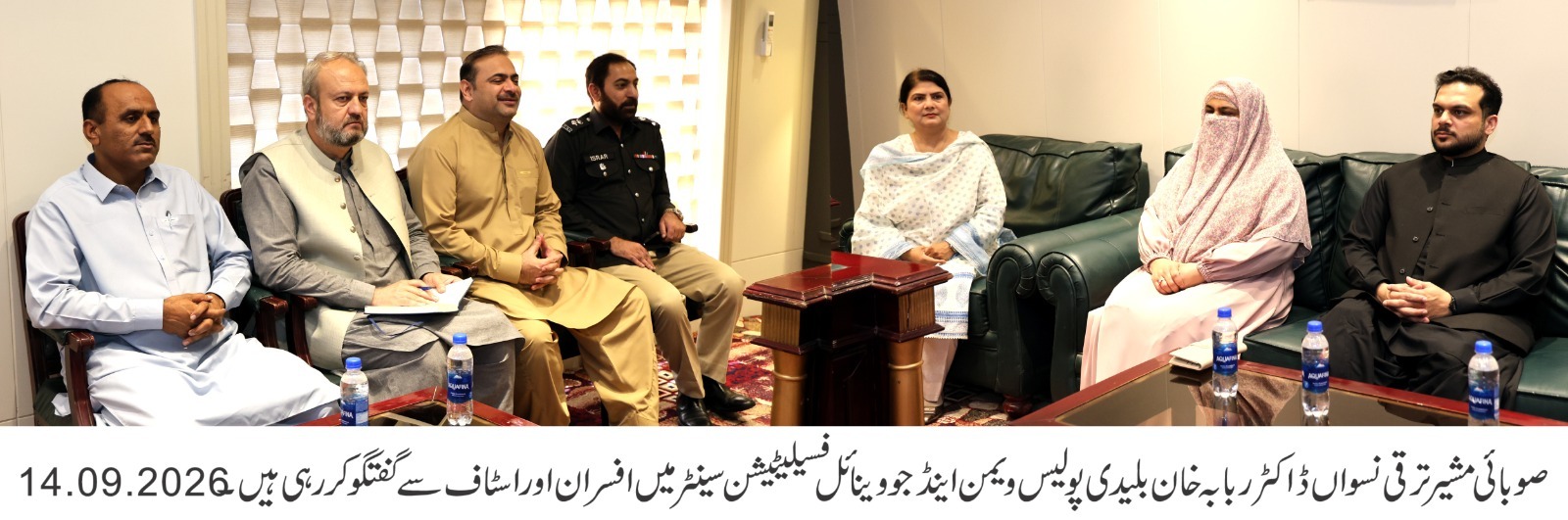
During my recent visit to the Women and Juvenile Facilitation Centre in Quetta, I had the opportunity to inspect its different sections and review the facilities and support mechanisms available for women and juvenile victims. The visit provided a firsthand understanding of the centre’s functioning and the importance of having a dedicated institutional mechanism where vulnerable victims can seek assistance in a safe and dignified environment.
AIG Gender Israr Ahmed Umrani and Centre In-charge Shazia Imran briefed me on the working of the centre, including its complaint registration mechanism, legal assistance and other measures designed to facilitate women and children. I also visited various sections of the facility and sought details from the officials concerned about its operations and the services being provided to victims.
Such centres have an important role in bridging the gap between vulnerable citizens and the institutions responsible for providing justice and protection. For a woman or child facing a difficult situation, approaching multiple offices and institutions can itself become a source of distress. A coordinated support system can make this process easier by providing guidance, legal assistance and access to relevant services under one institutional framework.
The importance of such an approach becomes even greater in the case of juvenile victims. Children require particular care and sensitivity because their experiences can affect their physical, emotional and social development. Any institutional response must therefore place their dignity, safety and best interests at the centre of the process.
An effective support system should not end with the registration of a complaint. Victims need to know where to seek legal assistance, how their cases will proceed and what protection and support are available to them. This requires close coordination among law-enforcement agencies, the Women Development Department, social welfare institutions, legal support services and other relevant departments.
During my visit, I emphasised that providing women and children with a safe, dignified and supportive environment is an important responsibility of the government. Institutional facilities must continue to evolve according to the needs of those they serve. This includes improving available facilities, strengthening professional capacity and ensuring that complaints are handled with sensitivity and confidentiality.
The Women and Juvenile Facilitation Centre represents an important step towards creating a more responsive institutional environment for vulnerable citizens. Its effectiveness, however, will ultimately depend on continued coordination, adequate resources and a strong commitment to victim-centred services.
The Women Development Department will continue working with relevant institutions to strengthen mechanisms for the protection and empowerment of women and to support measures addressing the challenges faced by women and children.
The objective should be clear: no woman or child seeking help should feel unheard, unprotected or alone. An effective support system can provide not only immediate assistance but also restore confidence in institutions and strengthen access to justice. Protecting vulnerable citizens is therefore not simply about responding to individual cases; it is about building institutions that uphold dignity, equality and the right to live free from violence and fear.