
Balochistan Safe City Authority: Technology, Surveillance and a New Era of Public Security
By Sheikh Abdul Razaq
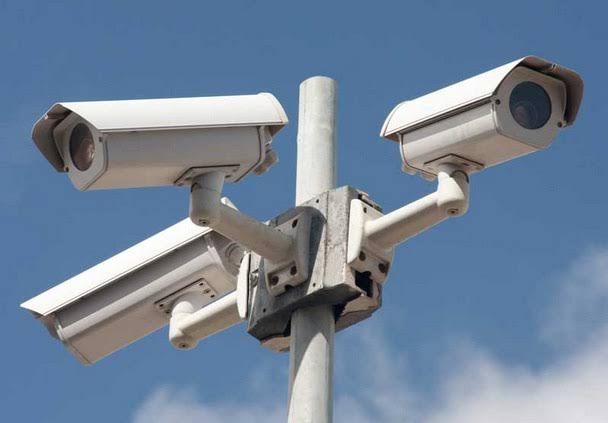
The strengthening of the Balochistan Safe City Authority represents an important step towards modernising the province’s public security architecture and improving the state’s ability to respond to crime and suspicious activities. At a time when effective policing increasingly depends on timely information, digital surveillance and rapid response mechanisms, the performance of the Safe City system demonstrates how technology can complement traditional law-enforcement capabilities.
Presiding over a high-level meeting of the Balochistan Safe City Authority, Chief Minister Mir Sarfraz Bugti reviewed the authority’s performance, surveillance mechanisms and measures aimed at enhancing its operational capacity. The meeting highlighted the growing role of technology in identifying criminal activity, recovering stolen vehicles and providing evidence to law-enforcement agencies.
According to the briefing presented to the Chief Minister, the Safe City surveillance system has helped identify 138 stolen vehicles from across the country. This is a significant achievement because vehicle theft is not merely a property crime; stolen vehicles can also be used in other criminal activities and may facilitate the movement of individuals involved in organised crime or terrorism. The ability to identify such vehicles through an integrated surveillance system strengthens the capacity of law-enforcement agencies to intervene before threats escalate.
The authority has also identified nine suspicious activities in a timely manner, helping prevent major acts of terrorism. Such interventions demonstrate the preventive value of modern surveillance. The objective of a contemporary security system should not simply be to respond after an incident has occurred. Its greater value lies in detecting unusual patterns, suspicious movements and potential threats early enough to allow law-enforcement agencies to take appropriate action.
Another important aspect of the Safe City Authority’s performance is its contribution to investigations. The authority has provided police with 631 significant pieces of evidence relating to different crime scenes. In modern policing, evidence-based investigation is essential. Digital surveillance can provide valuable information that assists investigators in establishing timelines, identifying movements and connecting suspects with incidents. This can ultimately improve both the efficiency and credibility of criminal investigations.
The meeting also reviewed the emergency response mechanism. The 15 Madadgar Emergency Response Service has been assigned to the Counter Terrorism Department, an administrative step aimed at strengthening coordination and response capabilities. Effective emergency response depends on communication between different institutions, clearly defined responsibilities and the ability to mobilise resources quickly. Strengthening these links can significantly improve the state’s ability to respond to emergencies.
Chief Minister Mir Sarfraz Bugti has emphasised that the government is committed to using modern technology to strengthen law and order and protect citizens. His emphasis on expanding the Safe City system reflects a broader recognition that security challenges require modern solutions. Balochistan’s geographical scale, dispersed population centres and complex security environment make technological surveillance particularly important.
However, technology alone cannot guarantee public safety. Its effectiveness depends on trained personnel, reliable infrastructure, institutional coordination and continuous investment. Cameras and monitoring systems are only as useful as the institutions that operate them. For this reason, capacity building and technical cooperation are essential components of the government’s strategy.
The decision to seek assistance from Punjab’s Safe City Authority is therefore significant. Punjab has developed considerable experience in the use of integrated surveillance and urban security systems. Learning from that experience can help Balochistan improve its own operational capacity, avoid unnecessary duplication and adopt tested approaches suited to local requirements.
Chief Minister Mir Sarfraz Bugti has decided that a letter will be sent to the Chief Minister of Punjab requesting cooperation and technical assistance to further enhance the capacity of the Balochistan Safe City Authority. Such inter-provincial cooperation can contribute to institutional learning and create opportunities for sharing expertise, technology and best practices.
The government’s intention to expand modern surveillance systems to more parts of Balochistan is equally important. Security should not be concentrated only in major urban centres. Citizens in smaller towns and remote areas also deserve effective protection and timely emergency response. A gradual expansion of the Safe City network can help create a more comprehensive security framework across the province.
The figures presented at the meeting provide encouraging evidence of what technology can achieve when integrated into policing. The identification of stolen vehicles, timely detection of suspicious activities and provision of hundreds of pieces of evidence indicate that the system is already producing practical results.
The next challenge is to ensure that this momentum is sustained. Continuous maintenance, staff training, data management, inter-agency coordination and technological upgrades will be necessary if the Safe City system is to remain effective. The government will also need to ensure that surveillance is deployed responsibly, with appropriate safeguards for citizens’ privacy and lawful use of information.
Balochistan’s security needs are unique, but the principle is universal: effective policing in the modern age requires timely information. The Safe City Authority can become an important pillar of this approach by connecting surveillance, intelligence, emergency response and investigation within a coordinated framework.
The progress made so far offers a promising foundation. With stronger institutional capacity, cooperation with Punjab and expansion into additional areas, the Balochistan Safe City Authority can evolve into a more comprehensive technological platform for public safety.
The broader message is clear. Modern technology is no longer an optional addition to law enforcement; it is becoming an essential component of effective governance and public security. By investing in surveillance, evidence-based policing and rapid response mechanisms, Balochistan can strengthen its ability to prevent crime, respond to threats and protect its citizens.
The Safe City initiative, therefore, should be viewed not merely as a technological project but as part of a wider transformation in the province’s approach to public safety. Its ultimate measure of success will be the extent to which citizens feel safer, police become more effective and potential threats are identified before they turn into tragedies. With sustained political commitment and institutional cooperation, that objective is within reach.