
Editorial
Bhagh Attack: When Terrorists Meet a United Public
The failed terrorist attack on Bhagh city in Kachhi district is yet another reminder that the fight against terrorism is not merely a contest between armed groups and security forces. It is a broader struggle between violence and the collective will of society. The swift response by the police, security forces and local residents demonstrated that terrorists can still be challenged effectively when institutions and communities stand together.
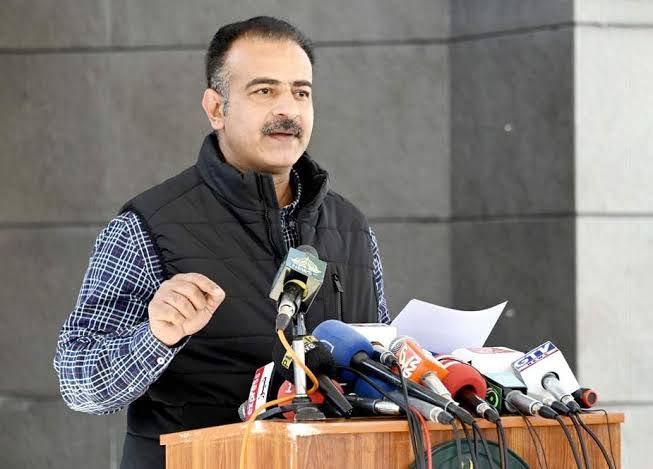
According to the statement issued by Balochistan government spokesperson and Adviser to the Chief Minister Shahid Rind, armed terrorists attempted to storm Bhagh in the early hours of the morning and reportedly tried to rob a bank. The timely intervention of the police and security personnel forced the attackers to retreat. What is particularly significant, however, is the role played by ordinary citizens who refused to remain passive in the face of an armed assault.
Such incidents often aim to achieve more than material objectives. A bank robbery may appear to be a criminal act, but attacks of this nature can also be designed to spread fear, undermine public confidence and create a perception that the state is unable to protect its citizens and institutions. The successful resistance in Bhagh sends precisely the opposite message: public institutions remain resilient, and communities are unwilling to surrender their towns to violence.
The response of the people of Bhagh deserves recognition. Terrorism thrives when fear isolates citizens from the state and from one another. Conversely, when communities cooperate with law-enforcement agencies, the space available to violent groups becomes increasingly restricted. Public resistance does not necessarily mean direct confrontation; it can also take the form of cooperation, timely information, support for security personnel and refusal to provide terrorists with social or logistical space.
The incident also highlights the importance of strengthening the capacity of police forces in towns and districts across Balochistan. While the armed forces remain central to counterterrorism operations, the police are often the first line of response during attacks on urban centres, markets, banks and public institutions. They therefore require modern equipment, intelligence capabilities, rapid-response units, training and institutional support.
At the same time, counterterrorism cannot be reduced to security operations alone. Sustainable peace requires economic opportunity, effective governance, functioning public institutions and a strong relationship between citizens and the state. Terrorist organisations seek to exploit grievances and insecurity. The best long-term response is therefore a state that delivers justice, protects citizens and creates opportunities for young people.
The Bhagh incident should consequently be viewed not only as an attack that failed, but also as an example of collective resilience. The attackers were unable to impose their will because the police responded promptly, security forces stood firm and the people refused to be intimidated.
Balochistan has paid a heavy price in the fight against terrorism. Its people have repeatedly demonstrated courage and resilience in difficult circumstances. The message from Bhagh is clear: terrorism may attempt to disrupt daily life, but it cannot succeed where the state and the people remain united.
The real strength of Balochistan lies not only in its security institutions but also in the determination of its people. That unity must remain the foundation of the province’s continuing struggle for peace, stability and development.