
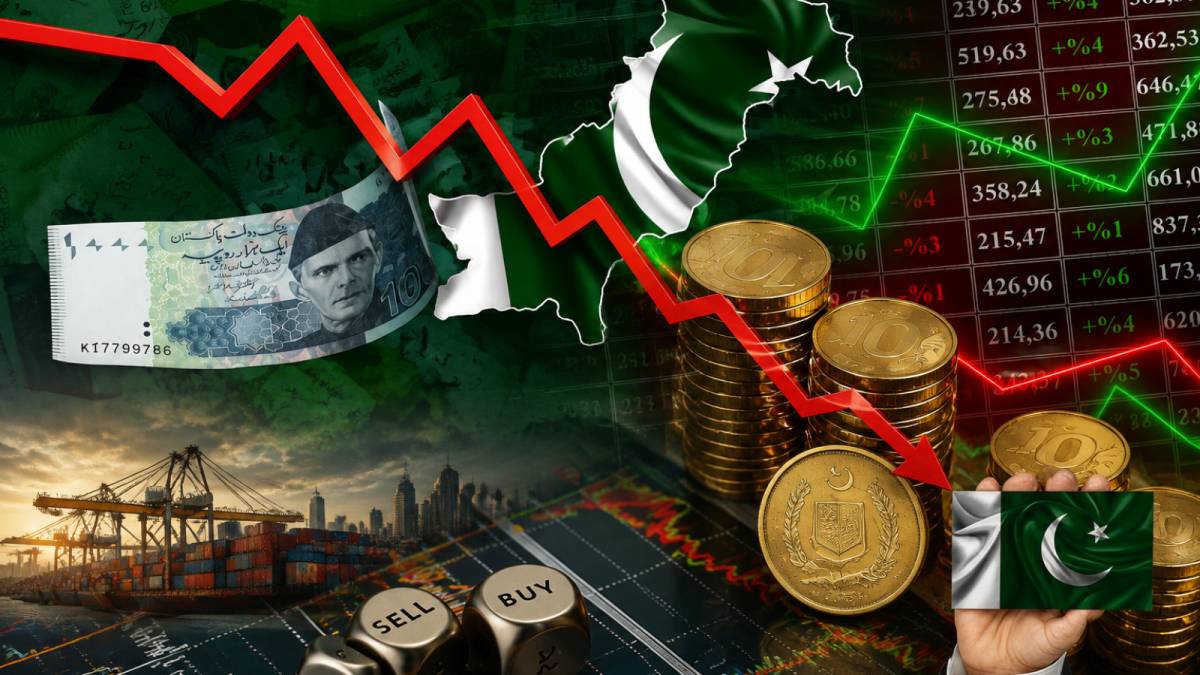
Pakistan’s Economy: From Stabilisation to Sustainable Growth
By Rakhshanda Saba
Pakistan’s economy is passing through a critical phase in which the immediate challenge of stabilisation is gradually giving way to the more difficult task of achieving sustainable and inclusive growth. After years of external financing pressures, high inflation, fiscal imbalances and uncertainty, recent economic indicators suggest that macroeconomic stability has improved. Yet stability alone cannot guarantee prosperity. Pakistan now needs to transform stabilisation into a durable growth strategy capable of creating jobs, increasing exports and improving the living standards of ordinary citizens.
The economy recorded real GDP growth of around 3.7 percent in the first quarter of FY2026, while the broader FY2026 growth outlook has remained in the range of 3.5 to 4 percent. The improvement has been supported by activity in sectors including automobiles, construction and garments. However, the pace remains below what Pakistan needs to absorb a rapidly growing workforce and generate sufficient employment opportunities.
One of the most important achievements has been the gradual restoration of macroeconomic stability. Under the International Monetary Fund programme, Pakistan has continued fiscal and structural reforms aimed at strengthening public finances, rebuilding foreign-exchange reserves, improving energy-sector viability and enhancing the business environment. The IMF’s latest review also emphasised the importance of expanding the tax base, improving public-sector efficiency, reforming state-owned enterprises and strengthening social protection.
Nevertheless, Pakistan’s economic recovery remains vulnerable to external shocks. Higher international energy and commodity prices can quickly increase domestic inflation, widen the current-account deficit and raise the cost of production. The changing global environment, geopolitical tensions and uncertainty in international markets therefore make economic resilience an essential national priority.
The next phase of economic policy should focus on production rather than consumption. Pakistan cannot achieve lasting prosperity through repeated cycles of borrowing, temporary stabilisation and renewed external financing pressures. The country must increase its productive capacity and develop an export-oriented economy. Agriculture needs modern technology, better water management and greater value addition, while manufacturing requires reliable energy, competitive financing and predictable regulations.
Exports should become the central pillar of economic policy. Pakistan has significant potential in textiles, information technology, pharmaceuticals, engineering goods, processed food, minerals and other value-added sectors. Expanding the export base would not only generate foreign exchange but also create employment and encourage investment. At the same time, regional connectivity can open new markets across Central Asia, the Middle East and beyond.
Energy-sector reform is equally important. High energy costs affect virtually every segment of the economy, from households and agriculture to industry and small businesses. Improving transmission efficiency, reducing losses, promoting competition and ensuring financially sustainable energy pricing are essential for restoring industrial competitiveness. The reform process, however, must protect vulnerable households from disproportionate increases in the cost of essential services.
Tax reform is another fundamental requirement. A sustainable economy cannot depend on a narrow tax base. Broadening taxation, improving compliance, reducing unnecessary exemptions and using digital systems to increase transparency can strengthen government revenues without placing excessive pressure on compliant taxpayers.
Equally important is the need to encourage private investment. Investors require policy consistency, transparent regulations, efficient institutions and confidence that contracts will be respected. Reducing unnecessary regulatory barriers and improving the ease of doing business can unlock significant private-sector potential.
The ultimate measure of economic success is not merely the movement of GDP figures or foreign-exchange reserves. It is whether economic growth translates into better employment opportunities, higher household incomes, affordable essential services and improved human development.
Pakistan has an opportunity to move beyond crisis management and build an economy based on productivity, exports, investment and innovation. The stabilisation phase has created an important foundation. The real challenge now is to ensure that this foundation supports sustained and inclusive growth.
Economic reform must therefore remain consistent, broad-based and people-centred. If fiscal discipline is combined with investment in human capital, productive infrastructure, technology and competitive industries, Pakistan can gradually move from recurring economic crises towards a stronger and more resilient economy.