
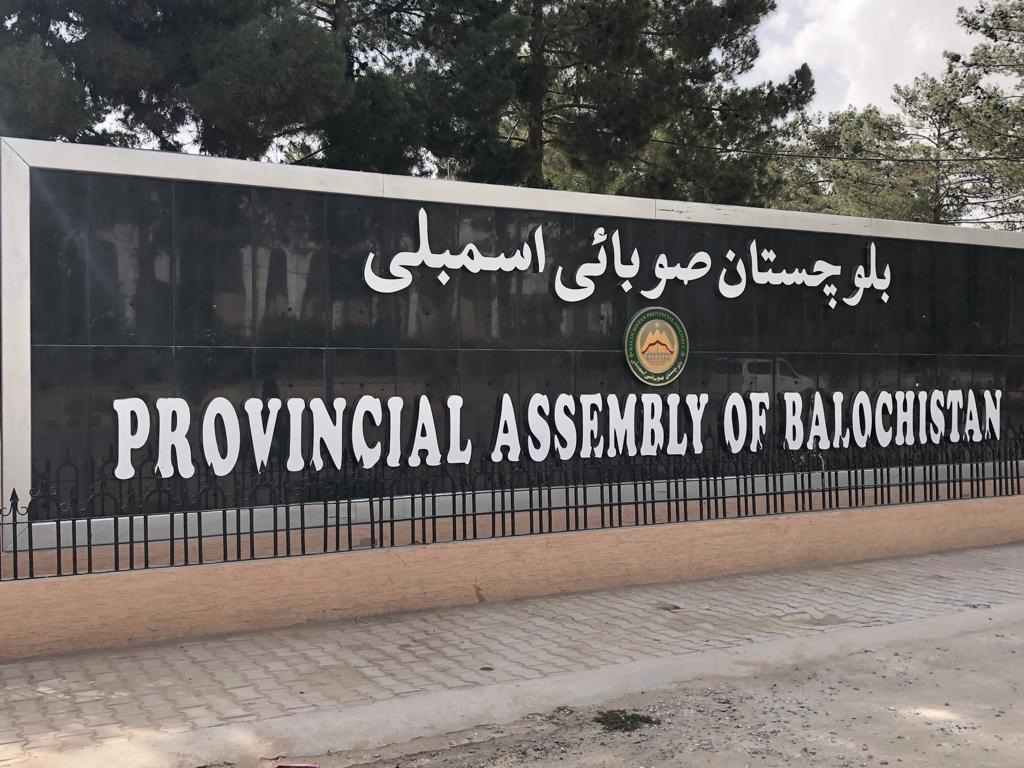
Balochistan Assembly rejects resolution calling for abolition of Tribal Sardari system
Quetta: The Balochistan Assembly has rejected a resolution seeking the effective abolition of the tribal Sardari system, with the proposal failing by a narrow margin of six votes to five after a detailed debate among members of the provincial legislature.
The resolution was presented on Friday by Member of the Provincial Assembly Maulana Hidayat-ur-Rehman during a session chaired by Deputy Speaker Ghazala Gola. It called for the enforcement of the 1976 law abolishing the Sardari system, arguing that remnants of the traditional tribal structure continue to exist in certain parts of Balochistan despite the legislation.
According to the text of the resolution, vestiges of the Sardari system continue to facilitate unlawful authority, forced labour and exploitation, practices that are inconsistent with human freedom, dignity and fundamental rights.
The resolution further stated that the continued influence of such structures has created obstacles for citizens seeking access to justice, education, healthcare and other essential public services. It urged authorities to ensure full implementation of the 1976 law throughout the country and called on the provincial government to establish an effective monitoring mechanism to eliminate feudal and exploitative practices.
Speaking during the debate, Provincial Minister Zahoor Buledi praised Maulana Hidayat-ur-Rehman for introducing the resolution and expressed opposition to what he described as oppressive aspects of the Sardari system.
Buledi said that all human beings are equal and no individual should enjoy unwarranted authority over others. He argued that ordinary citizens in Balochistan continue to lack meaningful empowerment and pointed to the widely publicised Asma Jattak case as an example of the difficulties faced in securing justice when traditional power structures exert influence.
He maintained that equal rights must be guaranteed to all citizens and warned that if oppressive practices persist, incidents similar to those highlighted in recent years could continue to occur.
Several lawmakers opposed the resolution, arguing that it unfairly generalised the role of tribal leaders.
MPA Zarak Khan Mandokhail said he did not support tribal chiefs or nobles who engage in oppression or act against Pakistan’s interests. However, he emphasised that many Sardars and Nawabs in Balochistan have contributed positively to education, development and public welfare.
He cited Chief Minister Mir Sarfraz Bugti, tribal leader of the Bugti clan, among examples of influential tribal figures playing a constructive role in the province’s development.
Supporting the resolution, MPA Ali Madad Jattak stated that educated young people generally do not favour the traditional Sardari system, although he acknowledged that some tribal leaders have contributed positively to society. He also noted that there are instances where tribal authority has been associated with oppressive practices.
MPA Zabid Reki said his opposition was not directed at Sardars or Nawabs as individuals but against injustice and abuse of power. Referring to the Asma Jattak case, he argued that no form of oppression could be justified. He added that many social problems could be addressed through stronger adherence to Islamic principles and governance.
Zabid Reki further observed that the prevailing security situation in Balochistan is such that even prominent tribal leaders do not always feel secure travelling on highways.
MPA Farah Azim Shah said lawmakers must oppose any system that contributes to the province’s underdevelopment. At the same time, she cautioned against judging all Sardars and Nawabs by the actions of a few individuals.
Opposition Leader Mir Younis Aziz Zehri also participated in the debate, defending the role of some tribal leaders while distancing himself from any form of injustice or criminality.
He said he had contested elections against Nawabs and noted that political and religious parties in the province have historically challenged tribal influence through democratic means. Zehri stated that while he takes pride in family associations with tribal leadership, he does not support individuals involved in violence or oppression.
He further highlighted the role played by former Chief Minister Nawab Aslam Raisani in securing benefits for Balochistan through the National Finance Commission (NFC) Award and referred to sacrifices made by members of his family and political party in relation to the Asma Jatak case.
Following the conclusion of the debate, the Deputy Speaker ordered a vote on the resolution. The proposal received five votes in favour and six against, resulting in its rejection by the House.