
Climate Change and Its Impact on Pakistan and Balochistan
By Uzma Yaqoob
Climate change has emerged as one of the defining challenges of the twenty-first century. Rising global temperatures, erratic weather patterns, prolonged droughts, devastating floods, and shrinking natural resources are no longer distant threats but present-day realities affecting millions of people. While climate change is a global phenomenon, its consequences are disproportionately severe for developing countries like Pakistan, which contribute less than one percent to global greenhouse gas emissions but remain among the world’s most climate-vulnerable nations.
Pakistan has witnessed an alarming increase in climate-related disasters over the past decade. Unprecedented floods, record-breaking heatwaves, glacial lake outburst floods in the northern regions, prolonged dry spells, and unpredictable monsoon patterns have exposed the country’s environmental and economic vulnerabilities. These disasters not only claim lives but also damage infrastructure, destroy agricultural production, disrupt livelihoods, and place enormous pressure on public finances.
Among Pakistan’s provinces, Balochistan faces a particularly unique and complex climate challenge. As the country’s largest province by area, Balochistan is characterized by an arid climate, scarce water resources, and vast rural communities whose livelihoods depend heavily on agriculture and livestock. Climate change has intensified these existing vulnerabilities, making sustainable development increasingly difficult.
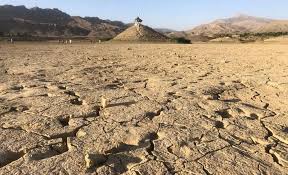
Water scarcity has become one of the province’s most pressing concerns. Declining rainfall, prolonged droughts, and excessive groundwater extraction have significantly reduced water availability in many districts. Farmers are struggling to irrigate their crops, while pastoral communities face shrinking grazing lands for livestock. The depletion of groundwater aquifers threatens both rural livelihoods and urban water supplies, highlighting the urgent need for sustainable water management.
Agriculture, which remains a vital source of income for thousands of families in Balochistan, is increasingly vulnerable to changing climatic conditions. Reduced rainfall, rising temperatures, and shifting weather patterns have affected the cultivation of fruits, vegetables, and other cash crops. Apple orchards, grape vineyards, and other horticultural products that have traditionally supported the provincial economy are facing declining productivity in several regions due to water shortages and heat stress.
Climate change also poses serious public health challenges. Rising temperatures increase the risk of heat-related illnesses, particularly among children, the elderly, and outdoor workers. Water shortages and poor sanitation contribute to the spread of waterborne diseases, while extreme weather events disrupt healthcare services and emergency response systems. These health impacts further strain already limited public resources.
The economic implications are equally significant. Infrastructure damaged by floods or extreme weather requires costly reconstruction, while disruptions in agriculture, fisheries, and transportation reduce economic activity and employment opportunities. Communities already facing poverty become even more vulnerable when climate disasters repeatedly destroy homes, crops, and livelihoods.
Despite these challenges, Pakistan has taken important steps to strengthen climate resilience. National and provincial governments are investing in disaster preparedness, early warning systems, climate adaptation policies, and environmental conservation initiatives. Institutions such as the National Disaster Management Authority (NDMA) have increasingly adopted technology-driven approaches to disaster risk reduction, enabling authorities to anticipate and respond more effectively to natural hazards.
In Balochistan, long-term resilience requires integrated policies that prioritize water conservation, sustainable agriculture, renewable energy, afforestation, and climate-smart infrastructure. Modern irrigation techniques, rainwater harvesting, watershed management, and drought-resistant crop varieties can significantly improve the province’s ability to adapt to changing climatic conditions. At the same time, expanding solar and wind energy projects can reduce dependence on fossil fuels while providing clean and affordable energy to remote communities.
Public awareness also plays a crucial role. Climate resilience cannot be achieved through government action alone. Citizens, educational institutions, civil society organizations, and the private sector must actively participate in environmental protection by promoting responsible water use, reducing pollution, planting trees, and adopting sustainable lifestyles. Young people, in particular, have an important role in shaping a greener future through innovation, education, and community engagement.
International cooperation remains equally essential. Developed countries have a responsibility to support climate-vulnerable nations through financial assistance, technology transfer, and capacity building. Pakistan’s climate challenges illustrate the urgent need for global solidarity, as no nation can effectively combat climate change in isolation.
Climate change is not merely an environmental issue; it is a challenge that affects economic growth, food security, public health, social stability, and national development. For Pakistan, and especially for Balochistan, the path forward lies in combining scientific innovation, effective governance, sustainable resource management, and active public participation.
The choices made today will determine the quality of life for future generations. By embracing climate resilience, investing in sustainable development, and strengthening cooperation at local, national, and international levels, Pakistan can transform the challenge of climate change into an opportunity to build a safer, greener, and more prosperous future.