
Editorial
Balochistan Assembly: Strengthening Law, Governance and Public Accountability
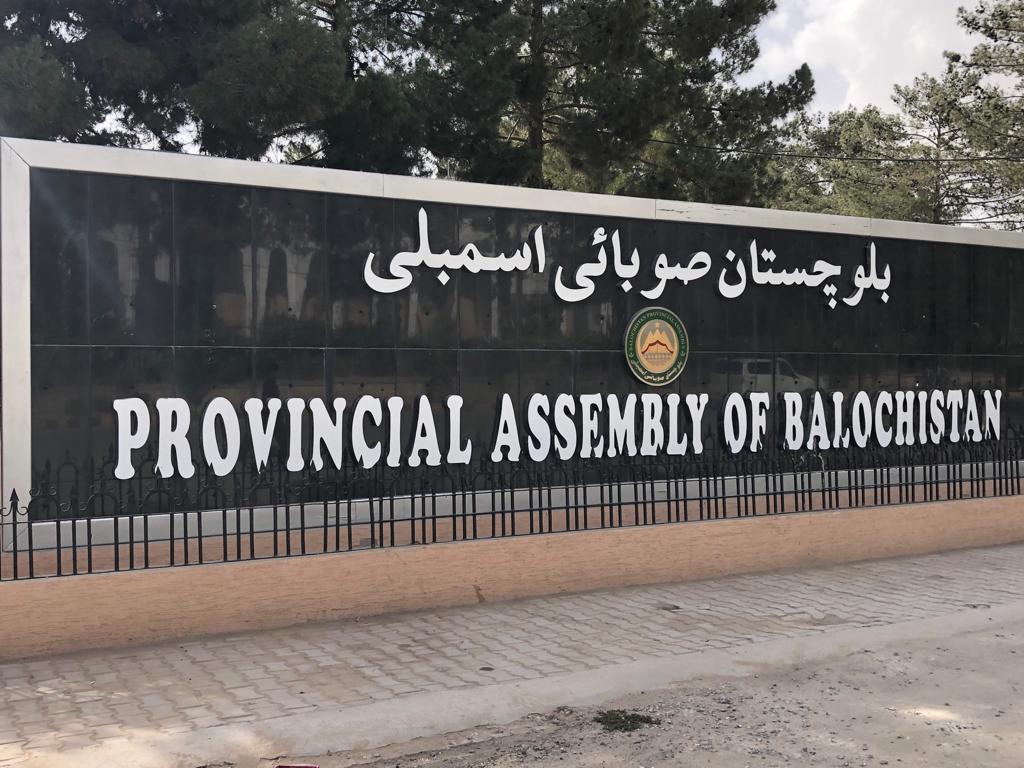
The latest session of the Balochistan Assembly reflects the importance of parliamentary institutions in strengthening the rule of law, improving governance and addressing issues of public concern. The approval of key legislative measures, along with detailed discussions on administrative matters, recruitment transparency, cultural institutions and criminal justice, demonstrates that the provincial legislature continues to provide a forum for debate, oversight and institutional reform.
A significant development during the session was the approval of the draft law amending the Code of Criminal Procedure, 1898, in Balochistan. The legislation was passed after consideration of the recommendations of the Standing Committee on the Home Department. The legislative process is important because effective laws and their periodic review are essential for a responsive justice system and strongerC institutional capacity.
The Assembly also approved the Balochistan Citizen Facilitation and Governance Bill 2026. The measure carries particular significance in the context of modern public administration. Good governance is ultimately about making government institutions more accessible,, efficient and responsive to citizens. Legislative initiatives aimed at improving citizen facilitation can help strengthen service delivery and promote greater public confidence in government institutions.
The introduction of the Balochistan Cadet Colleges Amendment Bill 2026 and its referral to the relevant standing committee also reflects the value of parliamentary scrutiny. Referring legislation to committees allows lawmakers to examine its implications in detail and incorporate relevant recommendations before final approval. Such a process strengthens the quality of legislation and promotes informed decision-making.
The session also highlighted the Assembly’s oversight role. Concerns regarding alleged irregularities in Forest Department recruitments were raised by the Opposition Leader, while the Speaker assured the house that a committee would be constituted to examine the matter. This is a positive feature of parliamentary democracy. Transparent investigations and institutional accountability are essential to ensuring that public appointments remain merit-based and that any allegations of wrongdoing are addressed through due process.
The government’s response to concerns raised by members also demonstrated that parliamentary complaints can lead to administrative action. Chief Minister Mir Sarfaraz Bugti informed the house that three officers had already been suspended and that further proceedings were underway. Such steps send an important message that allegations involving public institutions must be taken seriously and examined according to law.
The Assembly also provided space for discussion on the importance of provincial language academies and cultural institutions. Development is not limited to, roads, buildings and physical infrastructure. Cultural heritage, education and languages are equally important components of a society’s identity and intellectual growth. A balanced development strategy should therefore ensure that cultural and educational institutions receive appropriate attention alongside infrastructure projects.
Similarly, calls for justice in cases of serious crime underline the Assembly’s responsibility to raise the concerns of citizens. The demand that perpetrators be brought to justice, regardless of their social or political status, reinforces a fundamental principle: the law must apply equally to everyone.
Overall, the proceedings of the Balochistan Assembly demonstrate a constructive combination of legislation, oversight and public representation. Differences of opinion are a natural part of parliamentary democracy, but the larger objective remains the same: strengthening institutions, protecting citizens’ rights and improving governance.
For Balochistan, an effective legislature can play a decisive role in translating public concerns into meaningful policy and legislation. Continued parliamentary scrutiny, transparent accountability and responsive governance can help build stronger institutions and contribute to a more stable, progressive and prosperous province.