
Strengthening National Security Through Unity, Development, and Effective Counterterrorism
By Sheikh Abdul Razaq
National security remains one of Pakistan’s most pressing priorities. Over the past several years, the country has made remarkable sacrifices to protect its sovereignty and ensure peace for its citizens. Yet, the evolving nature of terrorism, regional instability, and hybrid warfare continues to challenge the state’s security framework. In this environment, military preparedness alone is not sufficient. Sustainable peace can only be achieved through a comprehensive strategy that combines effective counterterrorism, economic development, political stability, and national unity.
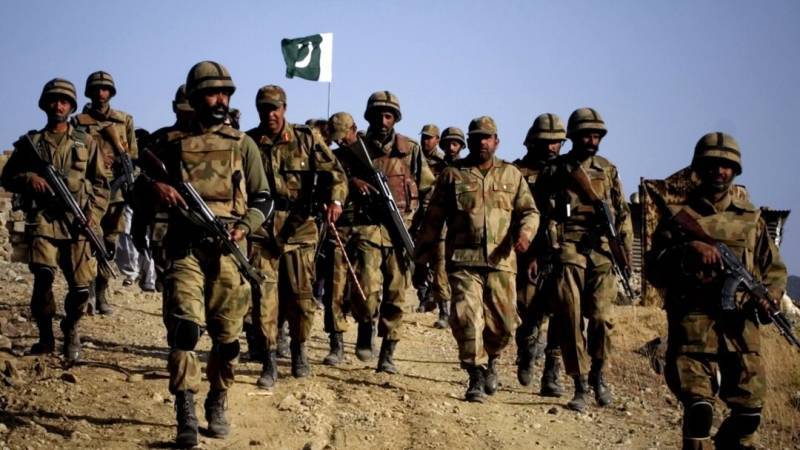
Pakistan’s security forces have consistently demonstrated courage and professionalism in confronting terrorist organizations. Thousands of officers and soldiers have laid down their lives to safeguard the nation, while law enforcement agencies continue to work tirelessly to dismantle terrorist networks. These sacrifices have significantly reduced the operational capacity of militant groups compared to the past. However, isolated attacks remind the nation that terrorism remains an evolving threat requiring constant vigilance and institutional resilience.
Modern terrorism is no longer limited to conventional armed attacks. It increasingly involves sophisticated propaganda, cyber campaigns, misinformation, and attempts to exploit social divisions. Such tactics seek to undermine public confidence, weaken state institutions, and create an atmosphere of fear and uncertainty. Countering these threats demands close coordination between security agencies, civil institutions, technology experts, media organizations, and local communities. Public awareness and responsible communication have become essential components of national security.
Development plays an equally vital role in strengthening security. Regions that enjoy quality education, healthcare, infrastructure, employment opportunities, and efficient governance are generally more resilient against extremist narratives. Investment in roads, schools, hospitals, digital connectivity, and vocational training not only improves living standards but also strengthens citizens’ trust in public institutions. Inclusive development helps address socio-economic grievances that hostile elements often seek to exploit.
Balochistan occupies a particularly important position in Pakistan’s national security and economic future. As the country’s largest province by area and a gateway to regional trade, it possesses immense strategic and economic potential. Ongoing investments in infrastructure, mining, agriculture, ports, and digital governance can create new opportunities for local communities while contributing to national prosperity. Ensuring that development projects translate into tangible benefits for residents will reinforce public confidence and strengthen long-term stability.
Youth engagement is another critical pillar of a comprehensive security strategy. Pakistan has one of the youngest populations in the world, and this demographic represents a tremendous national asset. Expanding access to quality education, technical training, entrepreneurship, sports, and digital skills can empower young people to contribute positively to society. Equipping them with opportunities and hope reduces the appeal of extremist ideologies while fostering innovation and economic growth.
Equally important is the role of the media. Responsible journalism can help inform the public accurately, discourage the spread of misinformation, and promote national cohesion during times of crisis. Media organizations have a responsibility to report security developments with professionalism while avoiding sensationalism that may inadvertently amplify extremist messaging. Constructive public discourse strengthens democratic institutions and reinforces confidence in the rule of law.
Regional cooperation also remains an essential component of Pakistan’s security policy. Constructive diplomatic engagement with neighboring countries, enhanced border management, intelligence cooperation, and coordinated efforts against transnational terrorism can contribute to lasting regional peace. Security challenges increasingly transcend national borders, making international collaboration indispensable in combating organized crime, terrorism financing, and illicit cross-border activities.
Ultimately, national security is a shared responsibility that extends beyond security institutions. Governments, political leaders, civil society, educational institutions, religious scholars, businesses, media, and ordinary citizens all have meaningful roles to play in building a peaceful and resilient nation. Unity of purpose, respect for democratic institutions, adherence to the Constitution, and a collective commitment to development create the strongest foundation against extremism.
Pakistan’s journey toward lasting peace has demanded extraordinary sacrifice and perseverance. While significant challenges remain, the country’s resilience, institutional experience, and growing emphasis on development provide reasons for optimism. By combining effective counterterrorism measures with inclusive economic growth, quality governance, youth empowerment, and national solidarity, Pakistan can strengthen both its security and its future prosperity. Sustainable peace is not achieved through force alone; it is built through justice, opportunity, unity, and the unwavering determination of a nation committed to progress.