
Editorial
Modern Healthcare Facilities and Quality Treatment in Public Hospitals
Access to quality healthcare is a fundamental public need and an important measure of social development. For the people of Balochistan, strengthening public hospitals with modern medical facilities is particularly significant, as patients have historically had to travel to other cities for specialised treatment. Such journeys not only cause hardship for patients and their families but also impose considerable financial and logistical burdens.
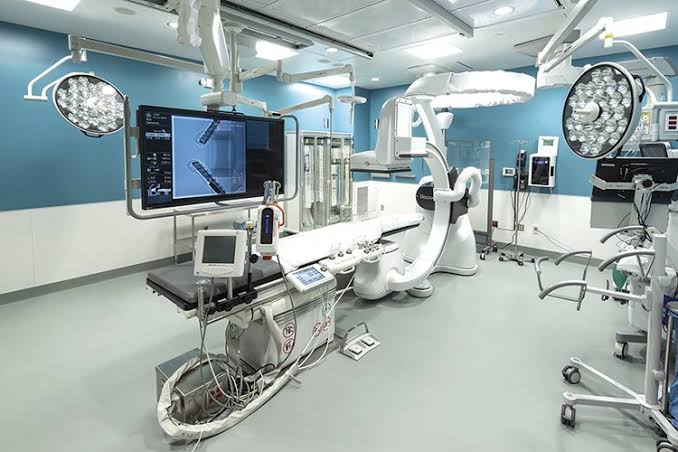
The ongoing improvement of healthcare facilities in public hospitals is helping address this challenge. The availability of modern diagnostic services, specialised treatment, emergency care and improved hospital infrastructure is gradually expanding the capacity of public-sector hospitals to provide comprehensive healthcare closer to people’s homes.
A strong public healthcare system is not merely about buildings and equipment. It requires qualified medical professionals, trained paramedical staff, modern diagnostic technology, effective emergency services, medicines, proper patient management and continuous monitoring of the quality of treatment. Investment in these areas can significantly improve patient outcomes and strengthen public confidence in government hospitals.
One of the most important indicators of progress is the ability of public hospitals to provide treatment for serious and complex medical conditions. When patients can receive specialised procedures within their own province, they are spared the costs and difficulties associated with travelling to major medical centres elsewhere in the country. This is particularly important for low-income families, for whom prolonged treatment outside the province can become a major financial burden.
Modern healthcare facilities also contribute to timely diagnosis. Advanced diagnostic equipment allows doctors to identify diseases at an earlier stage and make more informed decisions about treatment. In emergency cases, timely diagnosis and immediate intervention can be critical. Therefore, strengthening emergency departments, cardiac care, trauma services and other specialised units should remain an integral part of healthcare reforms.
Equally important is the human side of healthcare. Modern equipment can deliver meaningful results only when supported by competent doctors, nurses, technicians and other healthcare professionals. Continuous professional training, improved working conditions and effective hospital management are essential for ensuring that available resources translate into better patient care.
Public hospitals also have an important role in reducing inequality in access to healthcare. Private treatment may remain beyond the financial reach of many families, particularly in remote and economically disadvantaged communities. Strengthening public hospitals can therefore provide people with access to essential and specialised treatment without placing an excessive burden on household incomes.
For Balochistan, the expansion of quality healthcare within the province can also reduce pressure on patients to seek treatment in other provinces. It can help retain medical expertise, improve institutional capacity and encourage greater public confidence in the local healthcare system.
Healthcare reform should therefore be viewed as a long-term investment rather than a short-term initiative. The objective should be to build public hospitals that combine modern technology, professional expertise, efficient management and compassionate patient care.
A healthcare system earns public trust when people know that quality treatment is available when they need it. Ensuring that every citizen can receive timely, affordable and dignified medical care within the province is not only a healthcare objective; it is an essential component of inclusive development and social welfare.