
Editorial
Balochistan’s Untapped Tourism Potential
Balochistan possesses a remarkable combination of natural beauty, historical heritage and cultural diversity that gives it the potential to become one of Pakistan’s major tourism regions. From its long coastline and rugged mountains to ancient heritage sites, forests, valleys and distinctive local traditions, the province offers a wide range of attractions for domestic and international visitors.
Tourism today is far more than a recreational activity. Across the world, it has emerged as an important contributor to economic growth, employment generation, entrepreneurship, cultural exchange and local development. For Balochistan, the development of tourism can also contribute to diversifying the provincial economy and creating economic opportunities in areas where employment and business opportunities remain limited.
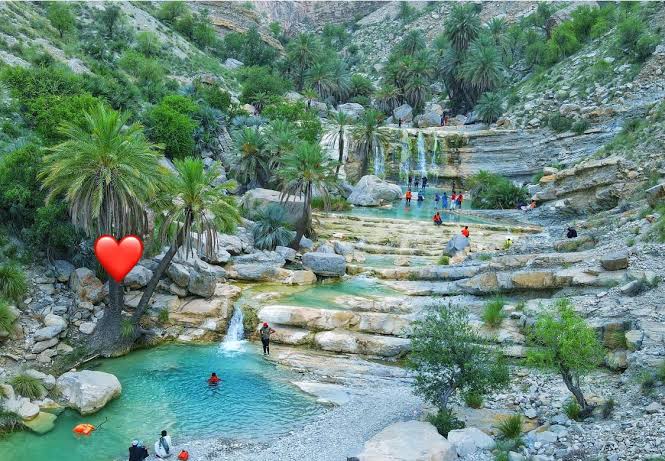
The province’s geographical diversity provides opportunities for several forms of tourism. The Makran coastal belt, Kund Malir, Hingol National Park, Gwadar, Pasni, Ormara and Jiwani offer distinctive coastal landscapes and opportunities for coastal tourism. The juniper forests of Ziarat, the valleys around Quetta, Moola Chotok in Khuzdar and numerous mountainous areas provide considerable scope for adventure and ecotourism.
However, Balochistan’s tourism potential does not end with its natural landscapes. Its historical and cultural heritage is equally significant. Traditional handicrafts, local cuisine, music, folklore, architecture and centuries-old traditions can provide a strong foundation for cultural tourism. Properly documented and presented through modern platforms, these assets can contribute to a broader understanding of the province and its diverse cultural identity.
The economic benefits of tourism can be particularly meaningful for local communities. Increased visitor activity can generate demand for hotels, guesthouses, restaurants, transport services, tour guides, handicrafts and locally produced goods. Small businesses and young entrepreneurs can find new opportunities in these sectors, allowing tourism revenue to circulate within local economies.
Coastal tourism deserves particular attention. Destinations such as Kund Malir, Gadani, Gwadar, Pasni, Ormara and Jiwani have the potential to attract visitors if appropriate infrastructure, accessibility, visitor facilities and environmental safeguards are developed. Investment in roads, sanitation, accommodation, recreational facilities and public spaces can make tourist destinations more accessible while creating opportunities for the private sector.
Yet tourism development must not come at the cost of the environment or local heritage. Balochistan’s natural landscapes are among its most valuable tourism assets, and their preservation is essential for the long-term sustainability of the sector. Responsible tourism should therefore remain central to planning, ensuring that development protects ecosystems, respects local communities and preserves historical and cultural sites.
The digital age has also transformed the way destinations are promoted. Social media, digital storytelling, photography and video platforms can introduce Balochistan’s landscapes, culture and hospitality to audiences across Pakistan and abroad. Engaging young content creators and tourism stakeholders can help present the province through modern and accessible digital channels.
A successful tourism strategy requires coordination between the public and private sectors, improved infrastructure, effective promotion, community participation and responsible environmental management. Most importantly, local communities should remain central to tourism development and should directly benefit from the opportunities it creates.
Balochistan has the natural and cultural resources to build a vibrant tourism economy. What is required now is sustained planning, investment and responsible management. If its landscapes, heritage and culture are developed without compromising their authenticity and environmental value, tourism can become an important source of employment, entrepreneurship, investment and inclusive economic activity across the province.