
Jinnah Peoples Train: A New Chapter in Public Transport for Balochistan
By Shahid Rind
Balochistan is set to take an important step towards improving public transportation as the province’s first mass transit train, the Jinnah Peoples Train, has been prepared to serve the people of Quetta and its adjoining areas. The project is aimed at providing citizens with a safe, comfortable and affordable mode of daily transportation while improving connectivity between key areas of the provincial capital.
The upgradation of the 32-kilometre railway track for the Jinnah Peoples Train has been completed in just 120 days. With an estimated cost of Rs3 billion, the project reflects an effort to develop practical public infrastructure within a relatively short period and bring its benefits to citizens without unnecessary delay.
The train service will operate between Kuchlak and Sariab, covering seven stations along the route. These include Kuchlak, Baleli, Sheikh Manda, GOR, Quetta, Lor Kariz and Sariab. The route connects several populated areas with the centre of Quetta, offering an alternative means of transportation to people who regularly travel between these locations for work, education, business and other daily activities.
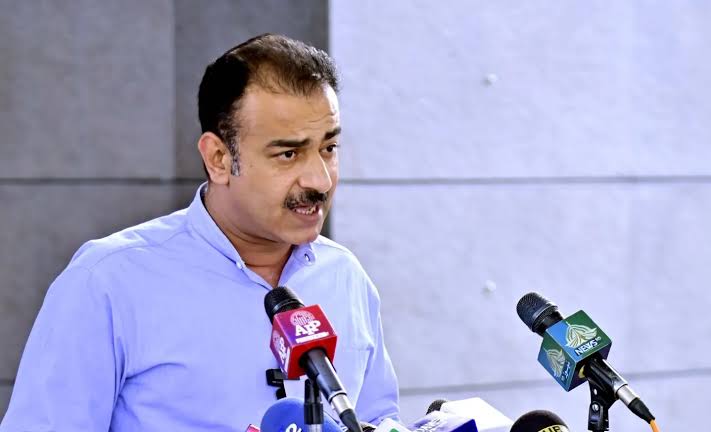
Chief Minister Balochistan Mir Sarfraz Bugti has expressed satisfaction over the completion of the Jinnah Peoples Train project and announced that the service will soon be opened for the public. He said that the train would provide a safe, comfortable and economical travel facility to the people of Quetta and surrounding areas.
The Chief Minister said the service would particularly facilitate students, employees, businesspeople and ordinary citizens in their daily commuting. For thousands of people who travel regularly between Kuchlak, Quetta and Sariab, a reliable rail service can provide an additional option for reaching their destinations while reducing dependence on road transport.
The Jinnah Peoples Train is also being viewed as an important step towards providing modern and dignified transportation facilities to the people of Balochistan. Improved public transport can contribute to more efficient urban mobility by helping citizens save both time and travelling expenses.
Mir Sarfraz Bugti said that timely completion of public welfare projects and ensuring that their benefits reach the people are essential elements of effective governance. He maintained that the completion of the railway track within 120 days demonstrates that public-oriented infrastructure projects can be delivered efficiently when implementation remains focused on their intended objectives.
The introduction of the Jinnah Peoples Train also carries significance beyond the railway service itself. Better connectivity between residential areas and the city centre can support everyday economic and social activity. Students can have easier access to educational institutions, employees can commute more conveniently, and businesses can benefit from improved movement of people across the city.
For Quetta, where growing mobility needs continue to place pressure on existing transport arrangements, the Jinnah Peoples Train offers a new public transport option. Its seven-station route and upgraded 32-kilometre track are designed to connect important parts of the city and its outskirts through an organised rail service.
The completion of the project marks a significant development in Balochistan’s public transport landscape. If operated efficiently and maintained to the required standards, the Jinnah Peoples Train can become an important component of the province’s efforts to improve urban mobility and provide affordable transportation to its citizens.
The service is expected to open a new chapter in public transportation in Quetta, with the ultimate objective of making daily travel safer, more comfortable, economical and accessible for the people.