
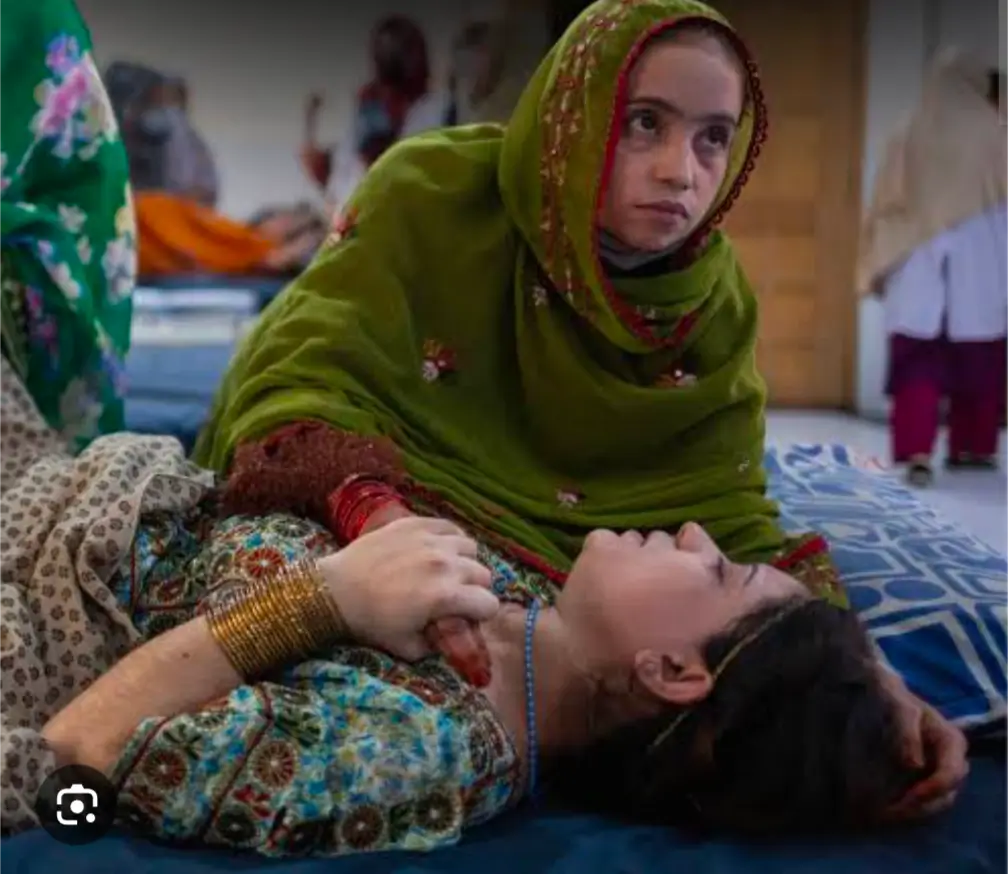
Women and Girls’ Reproductive Health: A Foundation for Healthier Communities
By Uzma Yaqoob
Women’s and girls’ reproductive health is an essential part of public health, social development and human well-being. It extends beyond pregnancy and childbirth and encompasses access to accurate information, preventive healthcare, menstrual health, maternal care, family planning, protection from reproductive health complications and the right to receive respectful and timely medical services.
For adolescent girls in particular, access to appropriate information and healthcare can shape health outcomes throughout their lives. Puberty brings significant physical and emotional changes, yet many girls enter this stage without adequate knowledge about menstruation, hygiene and the changes taking place in their bodies. In many communities, cultural sensitivities and lack of awareness can prevent girls from discussing reproductive health concerns openly. Creating safe and respectful spaces for education and consultation is therefore essential.
Menstrual health is another important dimension of reproductive well-being. Girls and women need access to affordable menstrual products, clean water, sanitation facilities and reliable information about menstrual hygiene. Schools have an important role to play by ensuring that girls can manage menstruation with dignity and without unnecessary disruption to their education. Awareness can also help families distinguish between normal menstrual changes and symptoms that require medical attention.
For women of reproductive age, access to quality healthcare services is equally important. Regular medical consultations can help identify reproductive health problems at an early stage. Family planning services, when voluntary and based on informed choice, can help couples make decisions about the timing and spacing of pregnancies. Counseling should provide clear information about available options while respecting individual circumstances and choices.
Maternal healthcare must remain a central component of reproductive health services. Antenatal care, skilled assistance during childbirth and postnatal follow-up can help identify complications and ensure timely treatment. Women should also have access to emergency obstetric care when required. Strengthening primary healthcare facilities and referral systems is particularly important for women living in rural and remote areas, where distance and limited healthcare resources can create additional barriers.
Reproductive health also includes protection from infections and conditions that may affect fertility, pregnancy or overall well-being. Public awareness campaigns should encourage women to seek professional medical advice when they experience persistent pain, abnormal bleeding, infections or other concerning symptoms. Early diagnosis and appropriate treatment can prevent many complications.
Healthcare providers have a crucial responsibility in this regard. Women and girls should be treated with privacy, dignity and respect, while health workers should be equipped with appropriate knowledge and communication skills. Confidential counseling can encourage patients to seek help without fear of embarrassment or stigma.
Improving reproductive health requires cooperation among health institutions, educational organizations, families, communities and civil society. Schools can provide age-appropriate health education, healthcare facilities can strengthen women-friendly services, and communities can promote informed and supportive attitudes.
A healthier society begins with healthier women and girls. Investing in reproductive health is not merely a healthcare intervention; it is an investment in education, family well-being, economic participation and the future of communities. Ensuring that every woman and girl has access to accurate information, essential healthcare and respectful services can contribute significantly to a healthier, more informed and more resilient society.