
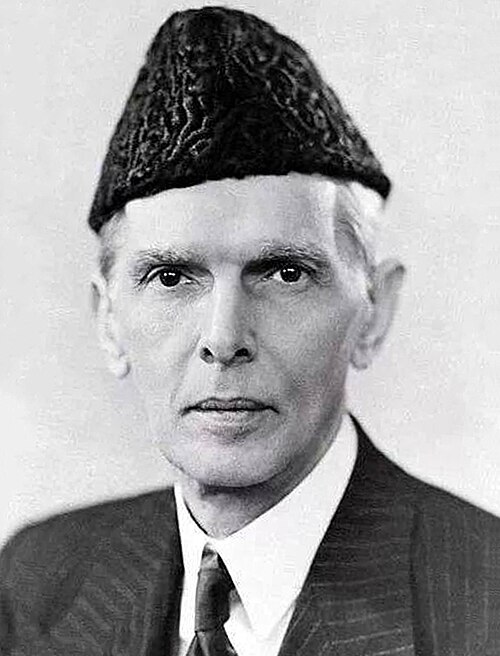
Quaid-e-Azam Muhammad Ali Jinnah: A Legacy That Continues to Guide Pakistan
By Rakhshanda Saba
The death anniversary of Quaid-e-Azam Muhammad Ali Jinnah is an occasion to remember not merely the founder of Pakistan, but a statesman whose political vision, constitutional struggle and unwavering commitment to principle shaped the course of history. Every year, September 11 provides an opportunity to reflect on the values that guided Jinnah and to examine how relevant those values remain for Pakistan today.
Muhammad Ali Jinnah was a leader who believed in constitutional politics, democratic principles and the rule of law. His political journey was marked by determination, discipline and an extraordinary ability to remain focused on his objective despite political challenges and personal difficulties. He did not seek an easy path to political success. Instead, he pursued his cause through constitutional and political means and eventually led the Muslims of the subcontinent towards the creation of an independent homeland.
The establishment of Pakistan on August 14, 1947, was the culmination of a long political struggle. Yet for Jinnah, the creation of the state was not the end of the journey. It was the beginning of the difficult task of building a country based on justice, equality and responsible governance. His speeches during the early months of Pakistan reflected a clear understanding that the strength of the new state would depend upon institutions, discipline, social harmony and respect for the rights of citizens.
Jinnah’s vision of Pakistan was also closely connected with equality before the law. He repeatedly emphasised that citizens should be treated equally and that the state should protect the rights of all its citizens. This principle remains particularly important in a diverse country such as Pakistan, where social, ethnic, linguistic and cultural differences require a strong commitment to unity and equal citizenship.
Another defining feature of Jinnah’s leadership was his emphasis on discipline and hard work. He understood that political independence could not by itself guarantee prosperity. A nation needed strong institutions, educated citizens, economic opportunities and a culture of responsibility to transform independence into meaningful progress.
Today, Pakistan faces a complex range of challenges, from economic pressures and institutional weaknesses to social divisions and questions of governance. In such circumstances, remembering Jinnah should go beyond ceremonies, speeches and formal tributes. His legacy should be reflected in the way institutions function, the way citizens are treated and the seriousness with which public responsibilities are performed.
The best tribute to Quaid-e-Azam is therefore not simply to remember his historic contribution, but to understand the principles behind it. His life demonstrates the importance of integrity, perseverance, constitutionalism and national purpose. These qualities remain essential for a country seeking stability, development and a stronger democratic future.
On his death anniversary, the nation pays tribute to a leader who transformed a political aspiration into a sovereign state. More importantly, it is a moment to renew the commitment to the principles that gave meaning to his struggle. Pakistan’s future will ultimately depend on how faithfully these principles are translated into governance, citizenship and national life.