
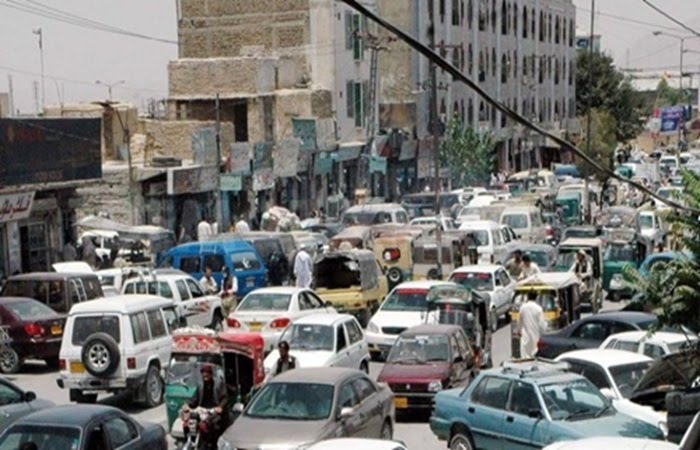
Planning Quetta for the Future: Why Regulated Construction Matters
By Khadim Hussain
A modern city does not grow merely by adding more buildings, roads and commercial activity. Sustainable urban development requires planning, regulation and a clear vision for how a city should function decades into the future. For Quetta, a rapidly developing provincial capital facing increasing traffic, population pressure and infrastructure challenges, protecting major road corridors from unplanned construction is an important step towards creating a cleaner, safer and better-organised urban environment.
Under the broader vision of making Quetta a clean, safe and orderly city, the Urban Planning and Design Committee has imposed restrictions on new construction activities along several important roads. The restriction, notified on December 24, 2025, applies to Airport Road, Sabzal Road (CPEC Road), Sariab Road, Link Badini Road and Link Shahwani Road.
The Metropolitan Corporation Quetta has once again reminded citizens, traders, business owners, property owners, builders, developers and other stakeholders that no new residential or commercial construction, unauthorised extension or any other new construction activity should be initiated along these designated corridors in violation of the applicable restrictions.
At first glance, construction restrictions may appear to limit private development. In reality, however, such regulations are an essential component of responsible urban planning. Major roads are not simply transportation routes; they are critical urban corridors that determine traffic movement, land use, commercial patterns, public access and the future expansion of infrastructure.
When construction takes place without considering these factors, cities can quickly develop bottlenecks that become extremely difficult and expensive to resolve later. Buildings constructed too close to road corridors can restrict future road widening, create traffic congestion, complicate drainage and utility projects, reduce pedestrian space and make emergency access more difficult.
Quetta already faces many of the challenges associated with unplanned urban growth. Increasing traffic volumes and expanding commercial activity require authorities to anticipate future needs rather than respond to problems only after they emerge. Protecting important road corridors today can therefore provide greater flexibility for infrastructure development tomorrow.
The restrictions on the identified roads are intended to safeguard the future urban design of these corridors while ensuring that road networks, traffic flow, land use and civic infrastructure can be developed within a coordinated planning framework.
This approach is particularly relevant for roads that have strategic importance for the city’s connectivity and economic activity. As commercial and residential expansion continues, every new structure can influence the surrounding transport network. A single unplanned development may appear insignificant, but hundreds of such developments over time can fundamentally alter the character and functionality of an entire urban corridor.
Effective urban planning is therefore not about stopping development. It is about directing development in a manner that serves the wider public interest.
The implementation of construction regulations also highlights the importance of coordination between government institutions and the private sector. Property owners, builders and developers have a legitimate interest in investing and expanding their businesses, but such activity must take place within the framework of approved planning rules. Compliance can help provide greater certainty for investors while protecting public infrastructure and the long-term interests of the city.
The Metropolitan Corporation Quetta has also made it clear that violations of the notification will result in action under the relevant laws, rules, regulations and authorised orders. Unauthorised construction activities may be stopped, while individuals or entities found responsible for violations may face necessary legal and administrative measures.
Such enforcement is important because regulations have little value if they are not implemented consistently. At the same time, effective enforcement should be accompanied by clear guidance and accessible information so that citizens and businesses can understand their obligations before beginning any construction activity.
The appeal to citizens and other stakeholders to seek guidance from the relevant authorities before undertaking construction is therefore equally important. Early consultation can prevent costly disputes, unauthorised development and potential legal action while helping property owners understand the applicable planning requirements.
The future of Quetta’s urban development will ultimately depend on a shared understanding that the city belongs to all its residents. Roads, public spaces, infrastructure and urban corridors are collective assets, and their protection requires cooperation from government agencies, citizens, traders, businesses, property owners and the construction sector.
A clean and organised city cannot be created through government action alone. Civic responsibility and institutional discipline must work together. Businesses need predictable regulations, residents need functional infrastructure, and authorities need the capacity to enforce planning standards fairly and effectively.
The current restrictions on new construction along key road corridors should therefore be viewed as part of a longer-term effort to preserve Quetta’s urban capacity. The objective is not to halt economic activity or private investment, but to ensure that development does not undermine the city’s ability to accommodate future generations.
Quetta needs growth, but it needs planned growth. It needs new investment, but investment that complements rather than compromises public infrastructure. Most importantly, it needs an urban development model that looks beyond immediate construction and considers the city’s future mobility, land use, environment and quality of life.
Protecting strategic road corridors today can help prevent tomorrow’s congestion and infrastructure crises. With consistent implementation of planning regulations and meaningful cooperation from all stakeholders, Quetta can move towards becoming a city that is not only larger, but also cleaner, safer, more accessible and better organised.
Urban planning is ultimately an investment in the future. For Quetta, ensuring that every major development decision is aligned with a coherent citywide vision can provide the foundation for sustainable growth and a better quality of life for its citizens.