
Security and Public Trust: Balochistan’s Preparations for 12 Rabi-ul-Awwal
By Rakhshanda Saba
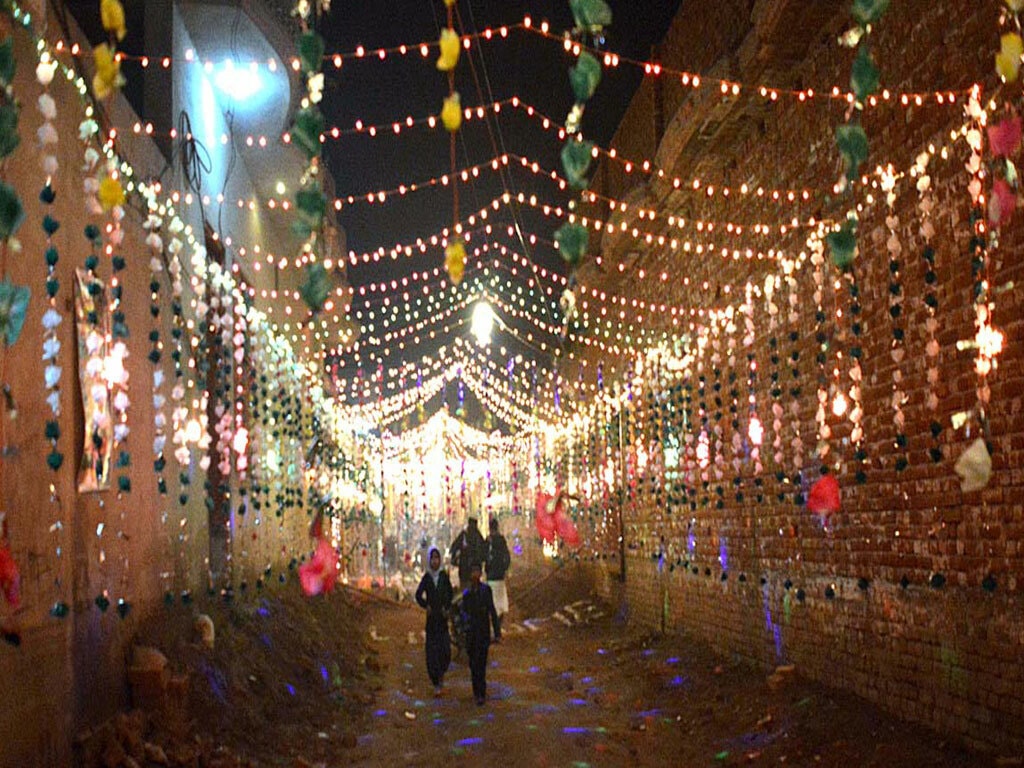
Religious occasions occupy a special place in the social and spiritual life of Pakistan. Among these, 12 Rabi-ul-Awwal carries profound significance for Muslims as it commemorates the birth of the Holy Prophet Muhammad (PBUH). Across Balochistan, the day is observed with religious gatherings, processions, recitations and public activities. Ensuring that these events take place peacefully is therefore both a security responsibility and an important expression of the state’s commitment to protecting citizens’ freedom to observe their faith.
In preparation for 12 Rabi-ul-Awwal, Balochistan Home Minister Mir Ziaullah Langau chaired a high-level meeting in Quetta to review security arrangements across the province. The meeting brought together senior officials, including DIG Quetta Imran Shaukat and officials of the Home Department, while all other DIGs and commissioners from different districts participated through video link. The participation of senior officials from across the province reflected the importance attached to coordinated security planning for the occasion.
The meeting reviewed security arrangements in detail, with particular attention to routes of religious processions, Majalis and other important locations. These areas require careful planning because large gatherings can present complex security and administrative challenges. Effective arrangements must ensure not only the safety of participants but also the smooth movement of ordinary citizens, emergency services and traffic.
Balochistan’s geographical and administrative diversity makes coordinated planning particularly important. Security requirements in Quetta may differ considerably from those in smaller towns and remote districts. A uniform policy may provide a broad framework, but its successful implementation requires district-level assessment of local circumstances, procession routes, gathering points and potential vulnerabilities.
The Home Minister’s emphasis on coordination between district administrations and police is therefore crucial. Security cannot be managed effectively by a single institution working in isolation. Police personnel may be responsible for maintaining security, while district administrations coordinate civic arrangements, traffic management and other essential services. Their ability to communicate and operate under a common plan can determine how effectively a large public gathering is managed.
Speaking at the meeting, Mir Ziaullah Langau emphasised that maintaining law and order and protecting the lives and property of citizens are among the government’s foremost responsibilities. This principle is particularly important during major religious occasions, when the state must ensure that citizens can participate in religious activities without fear or disruption.
The minister’s clear warning that no negligence in security arrangements would be tolerated also underscores the seriousness with which the government is approaching the occasion. Security planning is not simply about deploying personnel; it involves advance assessment, communication, contingency planning and rapid response mechanisms.
An effective security plan should anticipate possible challenges rather than merely respond to incidents after they occur. This requires close monitoring of procession routes, identification of sensitive locations, appropriate deployment of personnel and uninterrupted communication between field officers and command structures. Emergency response teams should also remain prepared to deal with medical emergencies, accidents or other unforeseen situations.
Equally important is the need to maintain public confidence. Citizens are more likely to cooperate with security measures when they understand their purpose and see authorities working professionally and respectfully. During religious gatherings, law-enforcement personnel must balance vigilance with sensitivity, ensuring that security arrangements facilitate rather than unnecessarily restrict peaceful religious observance.
The participation of divisional and district officials through video link is also an example of how technology can support governance and coordination. In a province as geographically vast as Balochistan, regular physical meetings involving officials from every district are not always practical. Video conferencing enables authorities to review arrangements collectively, share instructions and address district-specific concerns without delay.
The preparations for 12 Rabi-ul-Awwal also highlight a broader issue: public safety is a shared responsibility. Government departments, law-enforcement agencies, religious leaders, organisers and citizens all have roles to play. Organisers can help by following designated routes and cooperating with authorities, while citizens can contribute by remaining vigilant and reporting suspicious activity through appropriate channels.
For the government, the immediate priority is clear: ensure peaceful religious observance while protecting the lives and property of the people. But the significance of these preparations extends beyond a single day. Effective coordination between police and civil administration can strengthen institutional capacity for managing future public gatherings, emergencies and major events.
Balochistan has repeatedly demonstrated that peace and stability depend on preparedness, coordination and responsible governance. The security review chaired by the Home Minister reflects an effort to translate these principles into practical arrangements on the ground.
Ultimately, successful security planning is measured not by the number of personnel deployed or checkpoints established, but by whether citizens are able to participate in public and religious activities safely and peacefully. The government’s responsibility is to create an environment in which faith can be observed with dignity and communities can come together without fear.
The preparations for 12 Rabi-ul-Awwal therefore carry a message that goes beyond security. They represent the state’s duty to protect its citizens, its commitment to maintaining public order and its recognition of the importance of religious harmony. With coordinated planning, vigilant implementation and cooperation between authorities and the public, Balochistan can ensure that the occasion is observed peacefully, respectfully and with the security that its citizens deserve.