
Climate Change, Women’s Health and the Role of Civil Society in Balochistan
By Samreen Sheikh
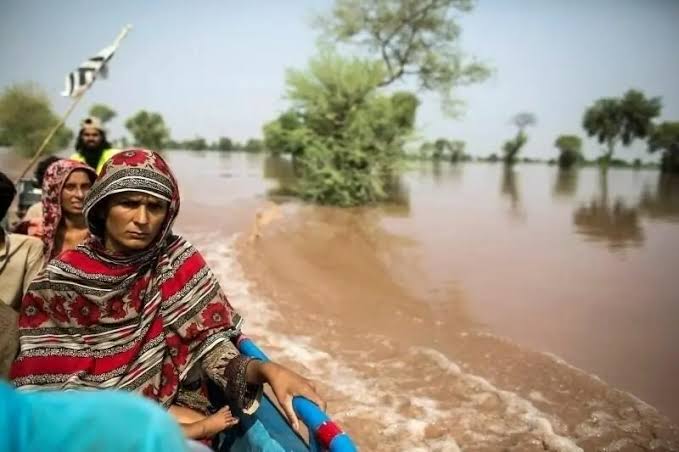
Climate change is no longer merely an environmental concern; it has become a serious public health and human development challenge, particularly for vulnerable communities. In Balochistan, where people face water scarcity, extreme temperatures, recurrent droughts, floods and geographical isolation, the consequences of climate change are placing an additional burden on women and girls. Their health, dignity and access to essential services are increasingly influenced by changing environmental conditions.
Women are often among the most affected by climate-related emergencies, yet their specific health needs do not always receive adequate attention in disaster preparedness and recovery planning. Pregnant and lactating women, adolescent girls and women living in remote rural communities face particular difficulties when floods, droughts or extreme heat disrupt healthcare facilities, clean water supplies, sanitation and transportation. Such conditions can increase health risks, undermine menstrual hygiene and restrict access to maternal and reproductive healthcare.
In Balochistan, the relationship between climate change and women’s health must therefore be understood beyond the immediate impact of natural disasters. Water insecurity, poor sanitation, malnutrition, heat stress and displacement can have lasting consequences for women’s physical and psychological well-being. Ensuring access to clean drinking water, safe sanitation, affordable menstrual hygiene products and reliable maternal healthcare is essential to building climate-resilient communities.
In this context, civil society organisations have an important role in connecting community needs with policymaking and institutional action. The Forum for Dignity Initiatives (FDI) Pakistan is among the organisations working in this area through research, advocacy and engagement with relevant stakeholders. Established in 2013, FDI focuses on climate justice, sexual and reproductive health and rights, and women’s political participation and leadership. Its broader vision is to promote safety, equality, empowerment and dignity for women, girls, transgender persons and young people.
One of the important dimensions of FDI’s work is its emphasis on gender-sensitive climate justice. Climate policies and adaptation strategies cannot be effective unless they recognise the different vulnerabilities and needs of women. FDI’s engagement with climate-related issues highlights the importance of women’s participation in environmental decision-making, disaster preparedness and community-level resilience. Its work also draws attention to the need to recognise women not merely as vulnerable populations but as active contributors to climate solutions.
Women’s health and menstrual hygiene are equally important areas of the organisation’s advocacy. Through its engagement with relevant institutions and civil society stakeholders, FDI has highlighted the importance of safe and functional washrooms, access to clean water, proper sanitation, menstrual hygiene facilities and accurate health awareness. These facilities are particularly important in schools, healthcare centres and public institutions, where inadequate arrangements can affect women’s dignity, educational opportunities and participation in public life.
The connection between climate change and menstrual health deserves particular attention. During floods, droughts and displacement, women and girls frequently lose access to basic sanitation facilities, privacy and essential hygiene supplies. Incorporating these needs into climate adaptation policies and humanitarian response plans is therefore a matter of public health, equality and human dignity.
As the international community gathers at COP31 in Antalya, Türkiye, climate justice must be viewed through a broader human development perspective. Governments, development partners and civil society organisations need to ensure that climate commitments translate into practical improvements in the lives of vulnerable communities.
Balochistan requires stronger partnerships between government institutions, healthcare professionals, environmental experts and civil society organisations. Research, public awareness, institutional coordination and inclusive policymaking can help transform climate commitments into meaningful action.
Ultimately, climate resilience cannot be achieved without recognising women’s health as an essential component of sustainable development. A climate-resilient Balochistan must be one where every woman and girl, regardless of her geographical location or economic circumstances, has access to healthcare, clean water, sanitation and the opportunity to live with dignity. The true measure of climate action will not only be the protection of the environment but also the protection of human lives and the well-being of future generations.