
Editorial
Reclaiming Quetta’s Roads: The Need for Sustainable Traffic Management and Urban Planning
Quetta, the provincial capital of Balochistan, is facing increasingly complex urban challenges as population growth, expanding commercial activities and a rising number of vehicles continue to put pressure on its roads and public spaces. Traffic congestion, illegal parking, encroachments and the occupation of footpaths have become persistent problems, affecting commuters, pedestrians, traders and residents. Addressing these challenges requires more than temporary enforcement campaigns; it demands consistent administration, effective urban planning and a comprehensive vision for a better-organised city.
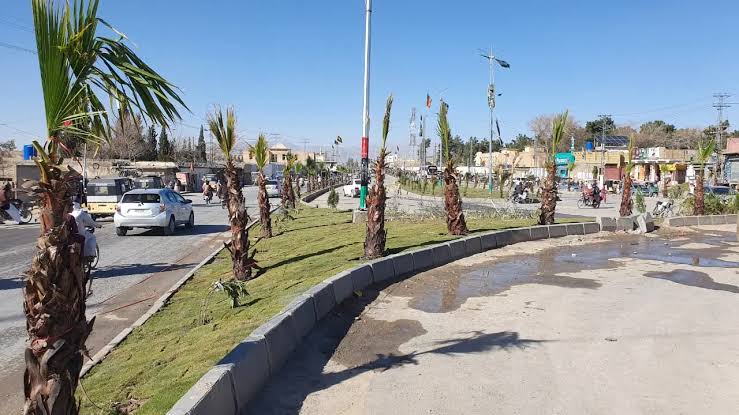
The ongoing efforts to remove encroachments from Joint Road reflect an important step towards improving traffic flow and restoring public spaces. Keeping roads and footpaths clear is essential for ensuring the smooth movement of vehicles and providing pedestrians with safe and unobstructed access. Public roads are meant to serve citizens, not become unauthorised parking areas or extensions of commercial establishments.
However, the effectiveness of such initiatives will depend on their continuity. Past experience in many urban areas shows that roads cleared through administrative operations can gradually become congested again if regular monitoring and enforcement are not maintained. The municipal administration and traffic authorities must therefore adopt a coordinated mechanism to prevent the re-emergence of encroachments and take impartial legal action against illegal parking and violations of traffic regulations.
Equally important is the need to balance urban regulation with the economic realities of ordinary citizens. Small traders, street vendors and daily-wage earners depend on commercial activities for their livelihoods. Removing encroachments should therefore be accompanied by practical alternatives that allow economically vulnerable people to continue earning a respectable living without obstructing public spaces.
In this regard, the proposed establishment of a dedicated fruit market is a constructive initiative being pursued in line with the vision of Chief Minister Balochistan Mir Sarfraz Bugti. The project aims to provide organised commercial opportunities for small traders, labourers and low-income groups. Initial practical work has reportedly begun, while different locations are being assessed for the establishment of the market.
A properly planned fruit market could help address several urban challenges simultaneously. By providing designated spaces for vendors and traders, it would reduce roadside commercial activity, ease congestion on busy roads and create a more organised environment for business. It could also generate employment opportunities and strengthen the city’s commercial activity. Such initiatives demonstrate that urban development should not be limited to controlling problems but should also provide sustainable solutions.
Nevertheless, Quetta requires a broader and more integrated traffic management strategy. Designated parking facilities, improved pedestrian pathways, organised commercial zones, better road planning and effective coordination between municipal authorities and traffic police are essential. Strict implementation of parking regulations, particularly along major commercial arteries, can significantly improve traffic conditions.
Public cooperation is another critical element. Shopkeepers, transporters, traders and residents must recognise that keeping roads and footpaths clear is a shared civic responsibility. Administrative enforcement can produce results, but lasting improvement requires a change in public behaviour and greater respect for urban regulations.
The provincial capital deserves an environment where businesses can flourish, pedestrians can move safely and commuters can reach their destinations without unnecessary delays. Reclaiming Joint Road from encroachments and establishing organised commercial facilities are encouraging steps towards that objective. The real test, however, will be consistency, effective implementation and the ability to extend similar improvements to other congested areas of Quetta.
A well-managed city is not merely one with wider roads; it is one where public spaces are respected, economic opportunities are accessible and urban services function efficiently. Quetta’s transformation into a cleaner, more accessible and economically vibrant provincial capital must therefore remain a sustained priority.