
Editorial
Science as a Foundation for Peace, Progress and Sustainable Development
Science has become one of the most powerful forces shaping the modern world. From healthcare and education to agriculture, communication, energy and industrial development, scientific innovation influences almost every aspect of human life. In an era marked by technological transformation, climate challenges, economic uncertainty and global conflicts, the importance of science extends far beyond laboratories and research institutions. It has emerged as an essential instrument for promoting peace, strengthening international cooperation and building a sustainable future.
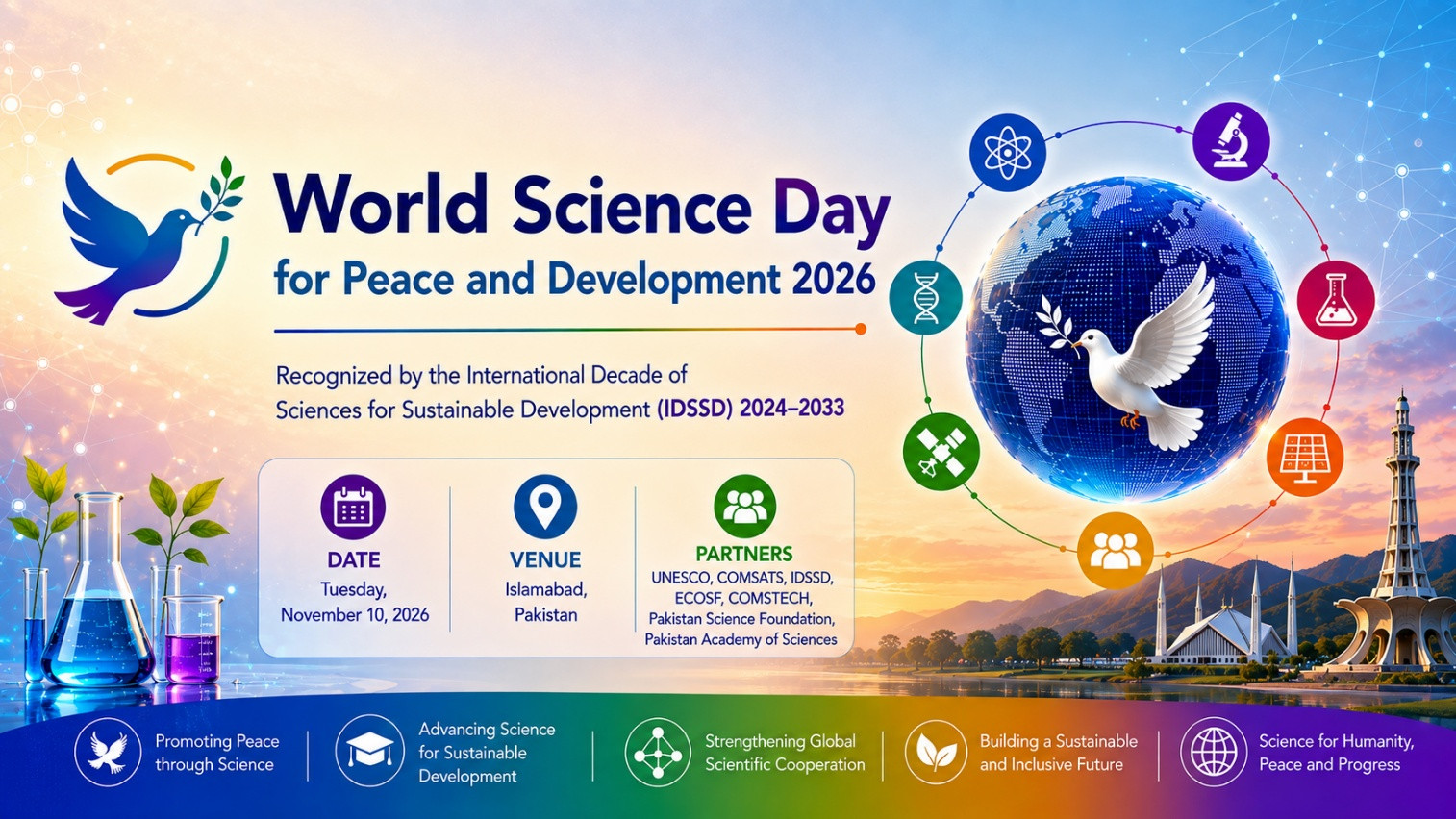
The observance of World Science Day for Peace and Development on November 10 provides an opportunity to recognise the contribution of scientific knowledge to human progress and reflect on the responsibility of governments and societies to make science accessible to all. The day also highlights the importance of scientific diplomacy, collaboration and the responsible use of technology in addressing challenges that transcend national borders.
Scientific progress has historically played a significant role in improving living standards. Advances in medical research have increased life expectancy, agricultural innovations have strengthened food security, and digital technologies have transformed communication and access to information. Renewable energy and environmental research are also opening new possibilities for addressing climate change and protecting natural resources. These achievements demonstrate that investment in science is not merely an academic priority but a fundamental requirement for economic and social development.